Data & Analytics

Shell has demonstrated drone-in-a-box operations from its Mars floating production unit, becoming the first operator in the region to secure FAA approval for self-approved offshore beyond-visual-line-of-sight flights. JPT Senior Technology Editor Jennifer Pallanich visited Shell Technology Center Houston to see the system in action.

Panelists at the SPE Subsea Well Intervention Symposium discussed where AI is delivering value today, where risks remain, and how engineers can best determine its usefulness.

As digital technologies become commonplace, industry leaders say core engineering knowledge remains essential for making informed decisions and avoiding costly mistakes.
-
 SponsoredWith an intense focus on improving returns and cash flow, oil and gas producers need step-change improvement in managing production versus plan. Embracing AI is critical to overcoming today's tools that largely fall short of achieving that ultimate goal.
 -
The agreement signed by Schlumberger, AIQ, and Group 42 is designed to develop and commercialize artificial intelligence for global exploration and production.
-
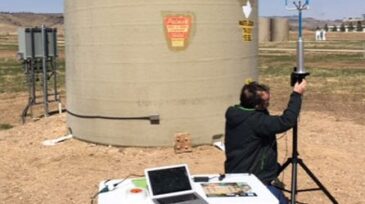
A new study confirms the success of a natural-gas leak-detection tool pioneered by Los Alamos National Laboratory scientists that uses sensors and machine learning to locate leak points at oil and gas fields, promising new automatic, affordable sampling across a vast natural gas infrastructure.
-
A recent datathon and the team that took home the grand prize help paint a picture of both the industry’s’ digital transformation and how oil and gas engineers are embracing it to navigate uncertain times.
-
The success of any digital oilfield project is predicated on the quality of the data structure, acquisition, communication, validation, storage, retrieval, and provenance of the data.
-
The oil and gas industry has picked up on the benefits of digitization and artificial intelligence in its day-to-day activities, and the health, safety, and environment sector is no exception. While AI brings clear benefits, the risks that come with those benefits remain unclear.
-
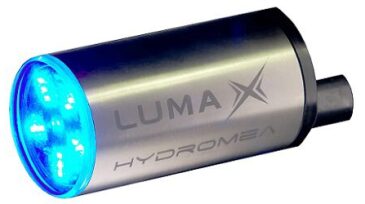
The subsea-technology company’s LUMA X subsea wireless communication modem will enable real-time streaming of HD-quality video and 4K images wirelessly through water, allowing the operators of autonomous underwater vehicles to monitor its interventions from its control rooms onshore.
-
The coronavirus crisis had a devastating effect on oil-company revenues, but it has posed a tough human-resources problem too: how to keep workers safe on cramped rigs at sea where social-distancing is impossible. Many operators have found an answer in technology—specifically, digital twins.
-
The data industry has gotten exceptionally good at building large, complex software systems. We’re now starting to see the rise of massive, complex systems built around data. Despite all of this, there is still a tremendous amount of confusion around what technologies are on the leading end.
-
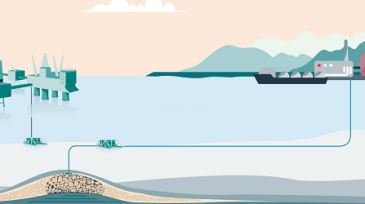
The Northern Lights project will disclose data sets from the confirmation Well 31/5-7 Eos drilled in the North Sea and completed earlier this year.