Data & Analytics

Working with Dell Technologies and NVIDIA, the French supermajor is targeting improved seismic processing and artificial intelligence applications.

A discussion at the inaugural executive breakfast convened by the SPE Data Science and Engineering Analytics Technical Section, held alongside CERAWeek by S&P Global and powered by Black & Veatch, tackled the challenge of value creation from artificial intelligence in the energy industry.

AI‑driven data center growth is straining US power grids and accelerating interest in enhanced geothermal systems as a scalable, low‑carbon solution.
-
 At times, it may seem that machine learning can be performed without a sound statistical background, but this does not take in to account many difficult nuances. Code written to make machine learning easier does not negate the need for an in-depth understanding of the problem.
 -
The upstream sector is witnessing comparatively more implementation of the industrial Internet of things compared with other sectors of the oil and gas industry. This is driven by the need to reduce risk and maximize returns through digitalization, according to data and analytics company GlobalData.
-
Equinor is using its digital transformation to be more sustainable. “It’s not just about running a smarter business," said Bjorn Otto Sverdrup, Equinor's senior vice president of sustainability. "It’s also about running a more sustainable business.”
-
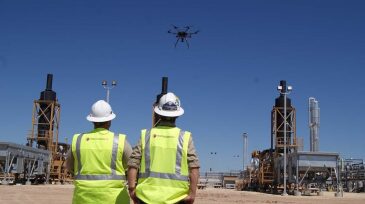
Drones have entered the oil and gas domain as a more comprehensive method of inspection—providing not only a flexible and cost-effective way to conduct inspections but also a data-intensive structure for inspecting assets in a nondestructive manner.
-
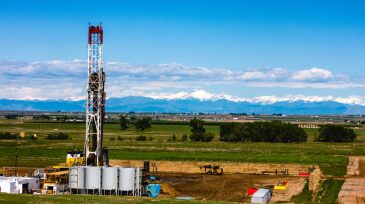
A fracturing test site in West Virginia has quietly made a data trove available on the website of the Marcellus Shale Energy and Environment Lab.
-
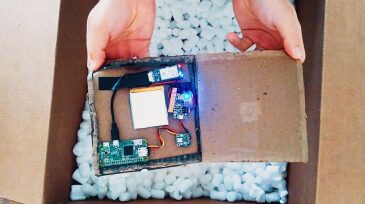
Nicknamed “warshipping,” the hacking technique allows remote infiltration of corporate networks by hiding a remote-controlled scanning device designed to penetrate a wireless network inside a package.
-
The large independent put together a team of data scientists, software developers, and petrotechnical staff to create a forward-looking vision for how to use digital technology to solve problems.
-
ForeSite users will be able to create and visualize customized data reports or select from a series of built-in visualization dashboards and reports that monitor key performance indicators and identify production optimization opportunities.
-
The greenfield data center will be located adjacent to Gore Hill Data Center, an existing data center in Keppel DC REIT's portfolio.
-
To analyze the status of digital transformation strategies and the pace of implementation in the Middle East, an SPE Applied Technology Workshop brought together operating and service companies and consulting firms for a discussion.