Data & Analytics

The two companies say they plan to work together to use agentic AI to increase the capabilities of technical experts.

This article is the first in a Q&A series from the SPE Methane Emissions Management Technical Section (MEMTS) on methane intelligence and how oil and gas teams translate emissions data into credible decisions and measurable reductions.

This paper presents a robot integrated with a microcontroller that provides multiple functions to help with data logging, analysis, and reporting to identify hazards and improve safety protocols.
-
 The partnership aims to use artificial intelligence and advanced robotics to accelerate the adoption of technologies for predictive maintenance.
 -
SponsoredThe oil and gas industry makes up 40% of all anthropogenic methane emissions because of leaks at the wellsite. Fortunately, the well pad is often where methane emissions are easiest to address through a mitigation strategy of optimized maintenance and process control—all enabled by instrumentation insight.
-
Heightened focus on methane emissions management spurs a new conceptual framework to aid in determining the duration of detected methane emissions, data that may be useful to stakeholders responsible for measurement-informed emission protocols.
-
The new AIQ ownership structure will see Presight acquire 51% shareholding, with ADNOC retaining 49% and receiving a 4% stake in Presight. AIQ will continue to operate as a standalone company.
-
Developing alternative power supplies with wide-scale reliability, dependability, and minimization or elimination of GHG emissions within feasible capex/opex scenarios is the brass ring of sustainability and energy security—and data are helping us get there.
-
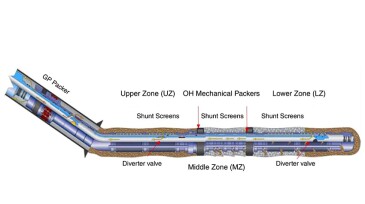
This paper presents the completion strategy implemented in an intelligent well completed in Malaysian deepwater Block K.
-
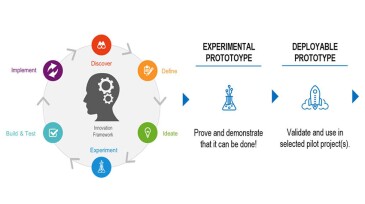
This paper presents the design and development of a prototype intelligent water-injection and smart allocation tool aimed at achieving autonomous waterflood operations.
-
This paper addresses the challenges of integrating huge amounts of data and developing model frameworks and systematic workflows to identify opportunities for production enhancement by choosing the best candidate wells.
-
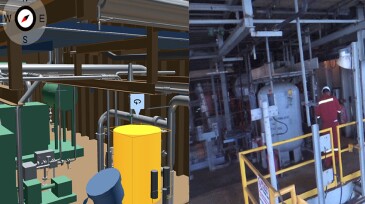
This paper described the use of digital twin technology to identify design modifications required at an onshore site and visualize proposed offshore assets for a Trinidad and Tobago development.
-
In the pursuit of sustainable industrial operations, three pivotal objectives emerge: risk reduction, safety assurance, and cost minimization. Integrating these objectives into digital transformation strategies enables operators to effectively manage emissions and achieve success.