Data & Analytics

Working with Dell Technologies and NVIDIA, the French supermajor is targeting improved seismic processing and artificial intelligence applications.

A discussion at the inaugural executive breakfast convened by the SPE Data Science and Engineering Analytics Technical Section, held alongside CERAWeek by S&P Global and powered by Black & Veatch, tackled the challenge of value creation from artificial intelligence in the energy industry.

AI‑driven data center growth is straining US power grids and accelerating interest in enhanced geothermal systems as a scalable, low‑carbon solution.
-
 The register aims to help the maritime industry embrace technology advances in artificial intelligence.
 -
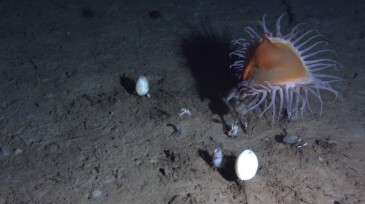
The sheer expanse of the deep sea and the technological challenges of working in an extreme environment make these depths difficult to access and study. Scientists know more about the surface of the moon than the deep seafloor. The Monterey Bay Aquarium Research Institute is leveraging advancements in robotic technologies to address this disparity.
-
In August 2021, the College of Engineering at Texas A&M University launched a new certificate program training undergraduate students to excel in data science skills and practical interdisciplinary understanding so they can solve global challenges faced by the petroleum industry.
-
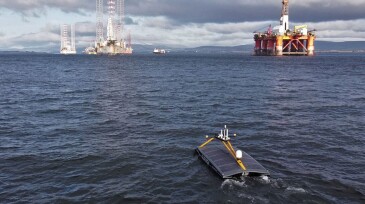
The survey was part of a project led by the University of Aberdeen, looking at the effects of decommissioning oil and gas structures on marine ecosystems.
-
The advantages of merging the realms of information technology (IT) and operational technology (OT) are obvious: cost reduction, improved capabilities, and greater efficiency. These advantages, however, come with a cost because they have affected the way that industrial control systems operate and have increased the exposure of industrial control systems to cyber risk…
-
The most promising AI approach you’ve never heard of doesn’t need to go big.
-
Augury’s machine health technology will further build out Baker Hughes’ integrated asset performance capability, expanding coverage from critical assets to balance of plant machines in the energy and industrial markets. Machine health uses advanced sensors and artificial-intelligence-based software to predict and prevent machine failures.
-
Given the rapidly rising investments in robotics and drones, why is the SPE Unmanned Systems Technical Section struggling to find volunteers willing to form a new board and keep the rest of the Production and Facility Community up to date on the opportunities and challenges in applying these new tools in the field or at construction sites?
-
SponsoredMake the most of your time and investment by using innovative, cloud-based software to maximize existing data, better define subsurface assets, and create an accurate earth-scale model.
-
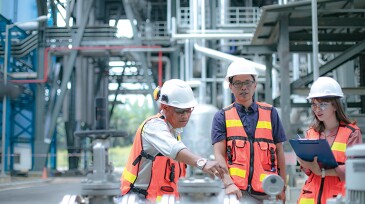
The Great Crew Change is all but over, Gen Xers are now managing Baby Boomers, and the oil and gas industry is morphing into the energy industry. Is this the end of an era or a new start for petroleum engineering education?