Decarbonization
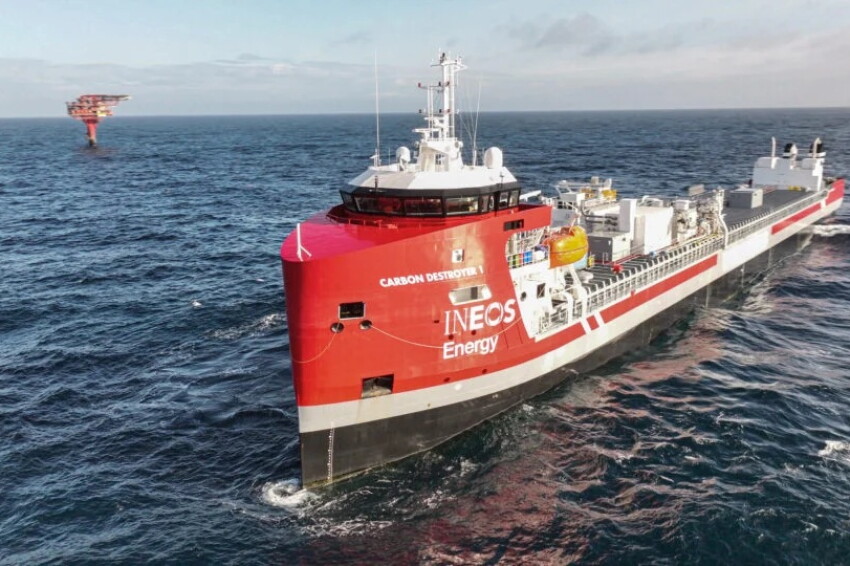
Plans call for the Greensand project to store 400,000 tonnes of carbon dioxide annually, with the potential to store up to 8 million tonnes annually at full capacity.
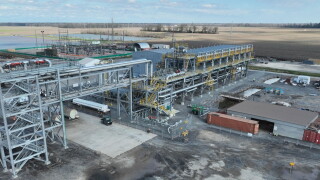
In line with its recently released Global Outlook, the major has begun storing carbon dioxide from Nucor’s iron facility in Convent, Louisiana.
Natural Resources Canada has awarded $4 million to Next Hydrogen and CERT Systems to advance clean hydrogen production and low-carbon sustainable aviation fuel technologies in the Greater Toronto Area.
-
 By repurposing Italy’s depleted Porto Corsini Mare Ovest offshore gas field for CO2 storage, Eni and Italian grid operator Snam have positioned the Ravenna CCS project to play a major role in the EU’s development of more than 50 mpta of CO2 storage capacity by 2030.
 -
SponsoredDiscover how TAQA’s sustainable products are transforming cementing operations, reducing environmental impact, and enhancing performance.
-
To choose the right technologies for a gas-compression package, it’s critical for operators to have a clear understanding of their business and greenhouse‑gas emissions-related goals. Operators also need clarity concerning the impact of evolving requirements on total cost of ownership as well as potential financial ramifications.
-
This paper presents an evaluation of the lithium potential of assets in the North Sea.
-
The goal of the project described in this paper was to test the added value of shear-wave velocity interpreted from underwater multichannel analysis surface waves, particularly as a propagation tool of geotechnical information.
-
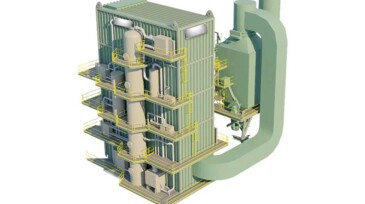
This paper describes the design of compact carbon-capture modules, including post-combustion CO₂ removal process technology, for applications on offshore facilities.
-
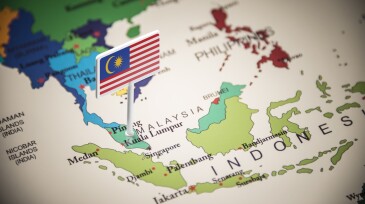
Carbon storage specialist Storegga joins Petronas and ADNOC in a joint study to strategize the build-out of Malaysia’s offshore as a regional CCS hub.
-
H2Teesside is expected to be one of the UK’s largest low-carbon hydrogen production facilities, targeting 1.2 GW of low-carbon hydrogen production, which equates to more than 10% of the UK’s 2030 hydrogen production target.
-
Proving that green hydrogen can efficiently power steel pipe manufacturing could advance the EU’s plan to decarbonize its heavy industry by importing the sustainable fuel from North Africa after 2030.
-
Cost concerns temper public appetite for clean energy while companies struggle to find investors for projects.