Decarbonization

This paper presents a flexible, highly cost- and energy-efficient method of gas separation and CO₂ capture from many different gas mixtures with a large range of CO₂ concentrations.

This paper presents an approach for safe, efficient, and cost-effective legacy well reabandonment.

This study explores the carbon-capture and mineralization potential of ultramafic rock powders when exposed to flue gases generated from combustion of crude oil and mesquite-derived charcoal.
-
 Spending on low-carbon projects will increase by $60 billion this year, 10% higher than 2022, led by wind developments but helped by a significant rise in funding for hydrogen and carbon capture, utilization and storage infrastructure, Rystad Energy research shows.
 -
A big jump in the tax incentives offered for putting CO2 in the ground, hopefully forever, has set off a mad rush to sequester CO2. But is that really the best option?
-
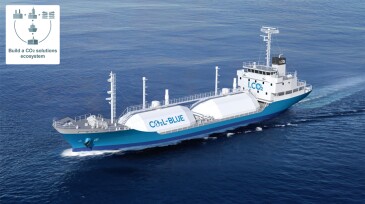
The sites with the most CO2 emissions to capture are often far from the best rock to sequester it, leading to design projects for transport ships.
-
At a time when there are many models vying to be the one used to evaluate and plan carbon storage sites, the US Department of Energy wants to test one developed by SPE members.
-
A critical challenge for those designing carbon dioxide storage sites is predicting where the injected gas will go. One of the only sure bets is to assume that any model of a gas plume that looks symmetrical is likely wrong.
-
ADNOC lays out a $15-billion installment in its long-term plan to reduce its carbon footprint.
-
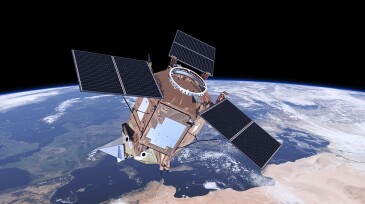
Satellite imaging of methane emissions offers the fossil fuel industry the empirical data it needs to fix problems that companies might not even know they have before the EPA starts to levy fines in 2024.
-
Oil and gas companies play important roles in the global push for energy security and carbon reduction. Here’s how they can excel at both.
-
The authors of this paper describe a three-way coupled modeling approach that integrates dynamic, geochemistry, and geomechanics models to obtain cumulative effects of all three changes to evaluate future carbon dioxide storage.
-
The authors of this paper investigate the risk of containment loss for a leaking well using a 1-sq-mile section of the Denver-Julesburg Basin.