Decommissioning
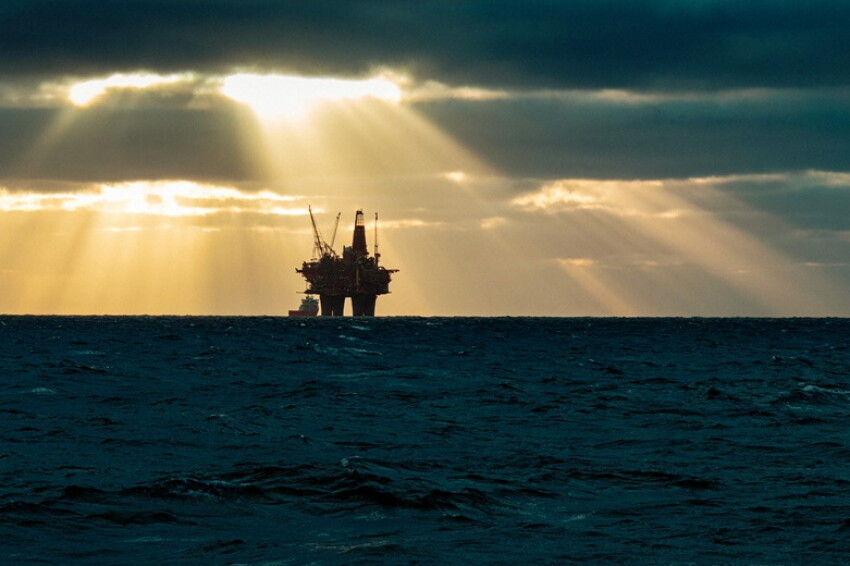
This paper identifies opportunities and risks associated with repurposing an offshore oil and gas platform for green hydrogen production. Various technical scenarios were investigated for the case study platform, and their profitability was determined using economic calculations. In addition, all the submodels were compared with standard decommissioning costs for reco…

This paper presents an approach for safe, efficient, and cost-effective legacy well reabandonment.

This paper uses the structural-integrity-management framework to evaluate the current structural integrity of chosen platforms, highlighting their potential and limitations for carbon capture, use, and storage purposes based on in-service assessments.
-
 The paper reviews an operator’s deepwater field project offshore Mauritania, for which several techniques were considered with respect to decommissioning a subsea pipeline system at water depths of 700 to 960 m.
-
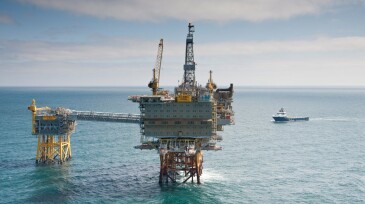
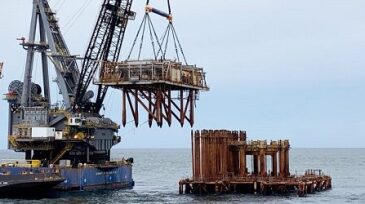
Phased work to remove Heimdal and Veslefrikk A from the Norwegian North Sea shelf should be completed sometime in 2025.
-
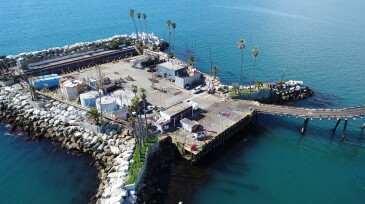
One of the last oil facilities in state waters on the path towards full decommissioning slated to begin in 2022.
-
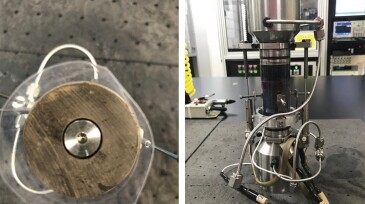
The complete paper presents the results of an investigation into the creep behavior of North Sea shales and their ability to form effective annular barriers.
-
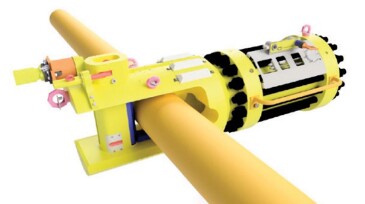
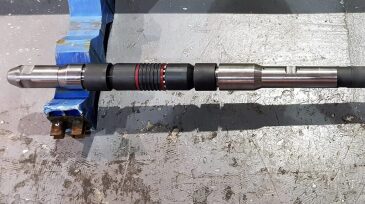
Final lab testing has been completed and field trials of the ultrahigh expansion bridge plug will begin by the end of this year.
-
The Bureau of Safety and Environmental Enforcement approved the conversion of the Lena compliant tower platform into an artificial reef under the bureau’s Rigs to Reefs program.
-
Plugging and cleaning up the open oil and gas wells in Texas could cost companies and taxpayers as much as $117 billion, according to a new report.
-
New research released by Columbia University's Center on Global Energy Policy and Resources for the Future estimates that a federal program to plug roughly half a million abandoned and so-called "orphaned" oil and gas wells could create as many as 120,000 jobs and reduce pollution.
-
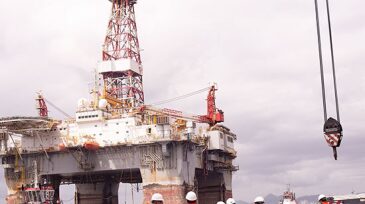
In its push to boost deepwater production, Petrobras is aiming to launch a leasing tender to build an FPSO described as Brazil’s largest-ever oil platform. Decommissioning work begins in the Campos and the Sergipe-Alagoas Basins.
-
The Hydrogen Offshore Production project identifies an alternative to decommissioning by providing reuse options for offshore infrastructure. It aims to prove the feasibility of decentralized hydrogen generation, storage, and distribution to provide a bulk hydrogen solution.