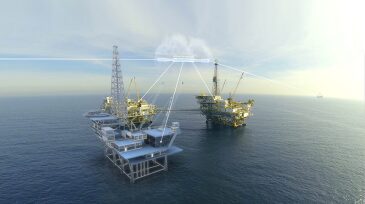
Digital Oil Field

This research focuses on combining physics-based expert rules with machine learning to improve the detection of failure-related events in electrical submersible pumps.

This paper presents the deployment of an artificial intelligence-enabled autonomous gas lift optimization system, integrating real-time centralized advanced process control with cloud-based analytics to enhance artificial gas lift performance in producer wells.

A combination of physics principles and machine-learning techniques is used in this work to develop a virtual flowmeter for oil-production optimization in electrical-submersible-pump-lifted oil wells, resulting in reliable generalization.
-
 The 5-year effort will take advantage of Microsoft technologies in machine learning, augmented reality, user interactions, and the industrial Internet of things to deliver integrated solutions to the upstream industry.
 -
A test showing that it’s possible to automate the billing process for produced water hauling has opened the door for tracking a wide range of field activities. The industry downturn brought on by COVID-19 has motivated big companies to test practical applications sooner.
-
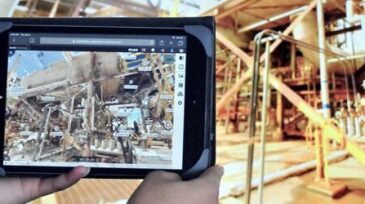
Three-dimensional seismic technology helped unlock more subsurface secrets for oil and gas operators. Now, 3D technology can be used in scanning, a cutting-edge technology that engineers can use to plan upgrades to oil and gas assets virtually.
-
Greg Leveille said he is optimistic that the shale sector will be able to bounce back from its second downturn in 5 years. The trick this time, he says, will be not just investing in new digital technologies but putting them to work.
-
A new tool developed by Kosmos Energy is allowing the exploration and production company to keep better track of the effect it is having on the environment.
-
The future of intelligent operations in our industry is being driven by advances from other sectors that have been embraced for petroleum applications. Foundational changes already taking place include advances in the type and volume of data being acquired and how the data are used.
-
Artificial intelligence is already part of the work done in an office near you, and, before you know it, it will be in your office as well. Gaining familiarity and an understanding of it will serve you well.
-
The future of intelligent operations in our industry is being driven by advances from other sectors that have been embraced for petroleum applications. Foundational changes already taking place include advances in the type and volume of data being acquired and how the data are used.
-
The complete paper presents a discussion of the use of intelligent well completion in Santos Basin Presalt Cluster wells.
-
In partnership with TechnipFMC, DNV GL opened a pilot project for the international collaboration of operators and the supply chain. Many digital twins represent an asset’s initial form and struggle to reflect developments in their physical counterparts as the asset matures.