Digital Oil Field

A combination of physics principles and machine-learning techniques is used in this work to develop a virtual flowmeter for oil-production optimization in electrical-submersible-pump-lifted oil wells, resulting in reliable generalization.

This research focuses on combining physics-based expert rules with machine learning to improve the detection of failure-related events in electrical submersible pumps.

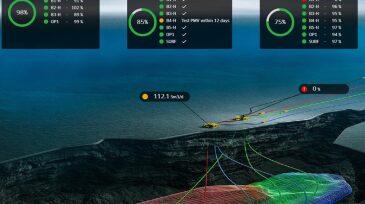
This paper presents the deployment of an artificial intelligence-enabled autonomous gas lift optimization system, integrating real-time centralized advanced process control with cloud-based analytics to enhance artificial gas lift performance in producer wells.
-
 The funding from Chevron Technology Ventures and Energy Innovation Capital will help scale Ingu’s data collection platform and analysis for its Pipers technology, a pipeline screening tool launched last year.
 -
Industry 4.0 is the innovation revolution across all industries. For our industry, Production 4.0 presents a massive opportunity to elevate oilfield performance by harnessing an easy-to-reach and plentiful resource—our data.
-
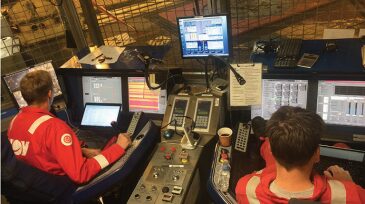
This paper presents lessons learned regarding design, testing, and installation of a completely integrated managed-pressure-drilling (MPD) control system on a deepwater drilling rig.
-
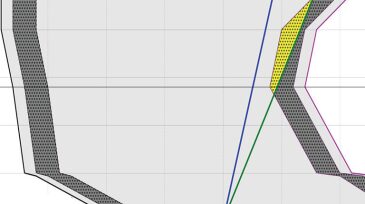
This work focuses on the development of specific methodologies to support managed-pressure-dilling (MPD) operations implemented on real-time diagnostic software.
-
The service company and independent verifier are aiming to develop a methodology for qualifying the integrity of digital twins, which they say will help level the industry’s varying technical definitions of, and expectations towards, the technology.
-
The industrial Internet of Things (IoT) is changing the way the oil and gas industry operates, but are companies leveraging it to its full potential? What strategies are being employed to handle the obstacles to implementation? Finding value in people plays a role in integrating IoT into operations.
-
SponsoredIn oil and gas offices around the globe, the term digitalization prompts a range of responses. This white paper outlines a pragmatic approach to digitalization for oil and gas operators, with a focus on drilling and completion.
-
Ten big names in the oil and gas business created a group to try out ways to use blockchain in the oil business, and test if the record keeping and automatic data collection software can track water shipments more efficiently.
-
Whether thinking about managing oil and gas or other infrastructure facilities or considering industrial efficiency, you may be pondering how the Internet of things can be used. Forward-thinking strategies include not just staying on top of regulatory changes but also influencing them.
-
Partnerships with big tech, tech startups, and innovative service companies—and the merging of their data, cloud, and software applications—are proving essential for operators in the scaling phase of digital deployment. Equinor, Microsoft, and Halliburton are among those joining forces.