Emission management

Growing energy transition investment highlights oil and gas technologies as key enablers.
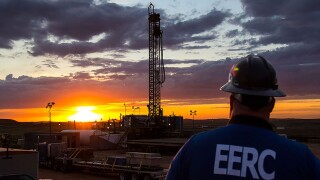
EERC CEO Charles Gorecki outlines how applied research in North Dakota is helping improve oil recovery, reduce emissions, and advance carbon storage.

A newly formed global coalition, Carbon Measures, aims to develop a ledger-based carbon accounting framework and champion market-based solutions to drive emissions reduction.
-
 A Denver-based company has been installing data centers at shale drilling sites to take advantage of excess natural gas. Now, according to a new Bloomberg report, that company hopes to harness some of that gas to power data centers for Bitcoin mining.
 -
As The Environmental Partnership celebrates its second anniversary, the coalition of oil and natural gas companies has grown 150% to 70 members while continuing efforts to reduce emissions from natural gas production.
-
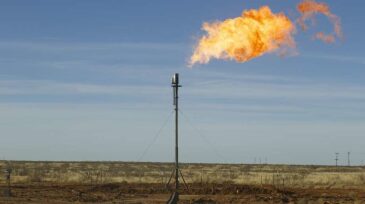
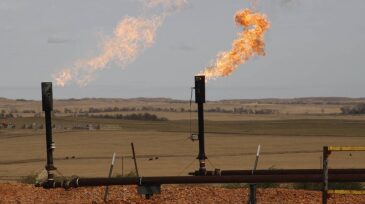
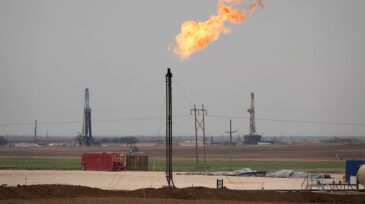
According to a new report from the EIA, the volume of natural gas reported as flared reached its highest average annual level in 2018, 1.28 Bcf/D. With production soaring in the Bakken, Permian, and Eagle Ford plays, North Dakota and Texas accounted for more than 80% of that total.
-
Saudi Aramco has announced that it is joining the World Bank initiative Zero Routine Flaring by 2030. Flaring by the company has remained at less than 1% of its total raw gas production in the first half of 2019.
-
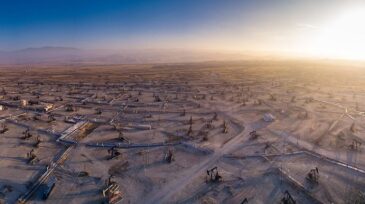
Methane emissions from California garbage dumps far surpass emissions from oil fields, according to a NASA survey.
-
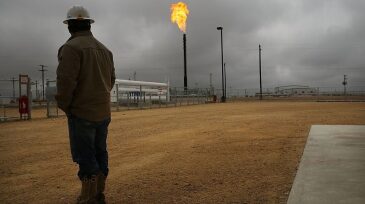
The volume of flared gas in the US unconventional sector is now 12% of the country’s total gas production. A pair of new reports say that Permian Basin operators account for much of the growth.
-
New Mexico released data on excess greenhouse emissions from oil and gas operations to keep the public informed of the problem, as the state continues to develop stricter policies to regulate air pollution from the industry and other sources.
-
The Environmental Defense Fund said it is overseeing a year-long program to monitor methane released across the Permian. The project will start measuring emissions in November using towers and mobile readings and will begin publishing data early next year.
-
The signed framework agreement would have GHGSat use its satellite-based sensors to monitor greenhouse gases coming from select Shell facilities.
-
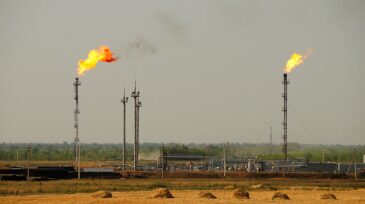
The value of natural gas flared by 80 different nations around the world has increased by 11% to hit a global peak this year of $16.4 billion, according to a new data analysis.