Emission management

This paper presents a flexible, highly cost- and energy-efficient method of gas separation and CO₂ capture from many different gas mixtures with a large range of CO₂ concentrations.

Emissions management covers a wide array of topics such as carbon capture, use, and storage; emissions monitoring; flare management; methods to improve operational efficiency; carbon accounting; and the effect of emissions management on global and local economics. The papers published in the past year span all these subcategories.

This study explores the carbon-capture and mineralization potential of ultramafic rock powders when exposed to flue gases generated from combustion of crude oil and mesquite-derived charcoal.
-
 BP says its new $1.3-billion Grand Slam electrified oil, gas, and water-handling facility is a clear example of its net-zero strategy in action.
 -
The major rule change adopted this month also gives oil and gas producers a deadline to capture 98% of their produced gas by 2026.
-
Iraq, which is second only to Russia in terms of gas flaring, is nearing an agreement with Total to implement dual-energy megaprojects to capture that gas and wean the country away from sanctioned Iranian gas and electricity imports. Solar power will play a major role.
-
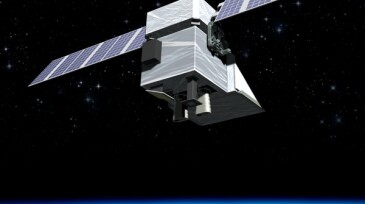
At least a dozen satellites are being built to orbit the Earth in search of methane leaks. They will be measuring methane flows, and some will be able to identify the source down to the facility level.
-
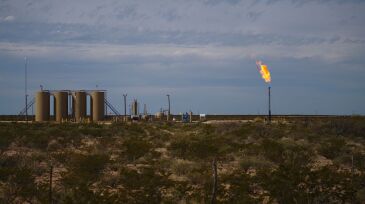
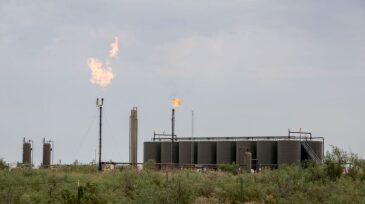
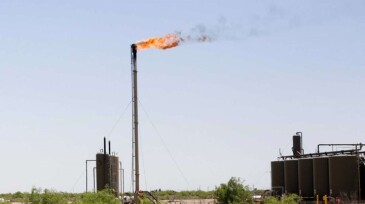
A coalition of oil and gas trade groups says it aims to end routine flaring by 2030 as the Texas Railroad Commission indicates it will crack down on the practice.
-
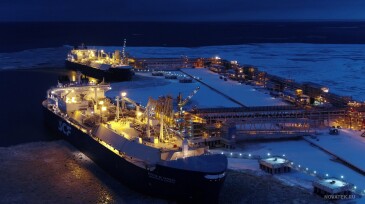
Introduction of hydrogen blends into the liquefaction process is designed to reduce greenhouse-gas emissions.
-
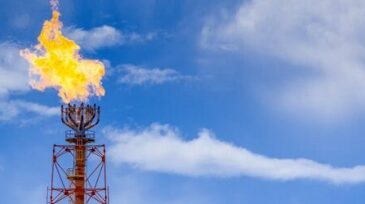
Russia flares more associated gas from oil production than any other country on the planet. But Russian major Gazprom Neft may have found an ecofriendly alternative: turning flare gas in West Siberia into electricity to fuel the mining of cryptocurrency.
-
The Texas oil and gas company will trim its carbon footprint in the coming years by building on a low-carbon investment that already totals more than $10 billion.
-
The first seminar looks at carbon capture, utilization, and storage as a way to achieve net-zero emissions. The second looks at the Methane Guiding Principles and its efforts to address methane throughout the natural gas supply chain.
-
Oil and gas producers in Europe commit to reporting emissions, but major US firms do not.