Emission management

This paper presents a flexible, highly cost- and energy-efficient method of gas separation and CO₂ capture from many different gas mixtures with a large range of CO₂ concentrations.

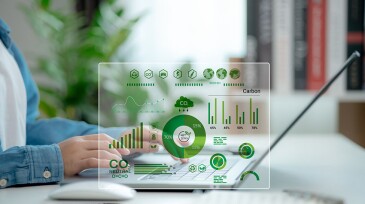
Emissions management covers a wide array of topics such as carbon capture, use, and storage; emissions monitoring; flare management; methods to improve operational efficiency; carbon accounting; and the effect of emissions management on global and local economics. The papers published in the past year span all these subcategories.

This study explores the carbon-capture and mineralization potential of ultramafic rock powders when exposed to flue gases generated from combustion of crude oil and mesquite-derived charcoal.
-
 The Oil and Gas Climate Initiative (OGCI) and nonprofit Carbon Mapper announced they are teaming up to launch a new collaboration aimed at accelerating practical and measurable reductions in methane emissions from the oil and gas industry.
 -
The newly named MTS brings together the full methane ecosystem, end to end—connecting technology, data, operations, and assurance across upstream, midstream, and beyond.
-
Monitoring on the ground is helping the industry shift from best estimates to hard data so it can bring the true emissions profile into focus.
-
This paper details a data-driven methodology applied in Indonesia to enhance flare-emission visibility and enable targeted reduction strategies by integrating real-time process data with engineering models.
-
The company engineered, designed, and manufactured multiple internal floating roof systems and tank-top equipment packages for TotalEnergies’ new storage terminal in Equatorial Guinea.
-
Growing energy transition investment highlights oil and gas technologies as key enablers.
-
EERC CEO Charles Gorecki outlines how applied research in North Dakota is helping improve oil recovery, reduce emissions, and advance carbon storage.
-
A newly formed global coalition, Carbon Measures, aims to develop a ledger-based carbon accounting framework and champion market-based solutions to drive emissions reduction.
-
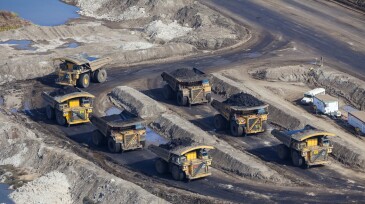
Absolute greenhouse-gas emissions from Canadian oil sands increased by less than 1% in 2024, even as production grew, according to an analysis by S&P Global Commodity Insights, which cited gains in efficiency for the trend.
-
Emissions management remains an active and crucial research area in the oil and gas industry. It is a broad research category spanning several different directions. The papers of the past year demonstrate the rich diversity of ideas and analytical techniques used for tackling different research questions in this space.