Emission management

This paper presents a flexible, highly cost- and energy-efficient method of gas separation and CO₂ capture from many different gas mixtures with a large range of CO₂ concentrations.

Emissions management covers a wide array of topics such as carbon capture, use, and storage; emissions monitoring; flare management; methods to improve operational efficiency; carbon accounting; and the effect of emissions management on global and local economics. The papers published in the past year span all these subcategories.

This study explores the carbon-capture and mineralization potential of ultramafic rock powders when exposed to flue gases generated from combustion of crude oil and mesquite-derived charcoal.
-
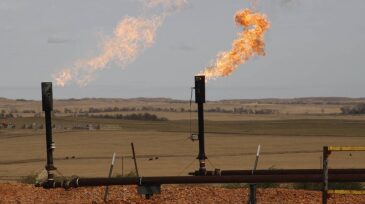
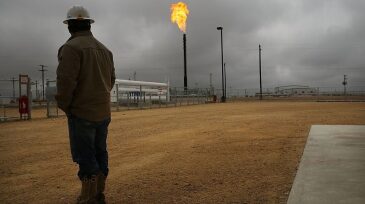
 According to a new report from the EIA, the volume of natural gas reported as flared reached its highest average annual level in 2018, 1.28 Bcf/D. With production soaring in the Bakken, Permian, and Eagle Ford plays, North Dakota and Texas accounted for more than 80% of that total.
 -
Saudi Aramco has announced that it is joining the World Bank initiative Zero Routine Flaring by 2030. Flaring by the company has remained at less than 1% of its total raw gas production in the first half of 2019.
-
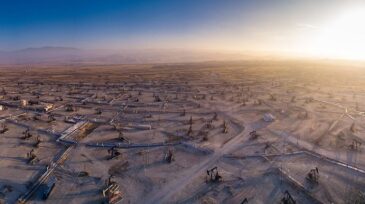
Methane emissions from California garbage dumps far surpass emissions from oil fields, according to a NASA survey.
-
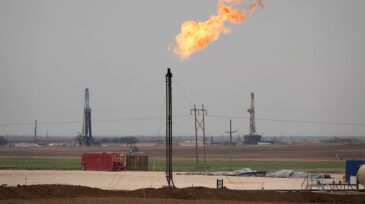
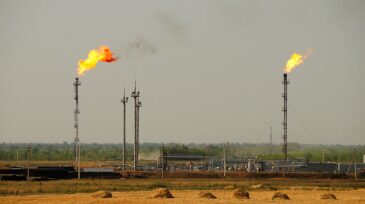
The volume of flared gas in the US unconventional sector is now 12% of the country’s total gas production. A pair of new reports say that Permian Basin operators account for much of the growth.
-
New Mexico released data on excess greenhouse emissions from oil and gas operations to keep the public informed of the problem, as the state continues to develop stricter policies to regulate air pollution from the industry and other sources.
-
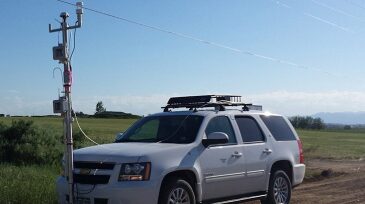
The Environmental Defense Fund said it is overseeing a year-long program to monitor methane released across the Permian. The project will start measuring emissions in November using towers and mobile readings and will begin publishing data early next year.
-
The signed framework agreement would have GHGSat use its satellite-based sensors to monitor greenhouse gases coming from select Shell facilities.
-
The value of natural gas flared by 80 different nations around the world has increased by 11% to hit a global peak this year of $16.4 billion, according to a new data analysis.
-
BP announced that it will deploy continuous measurement of methane emissions in its future BP-operated oil and gas processing projects as part of its ambitious program to detect, measure, and reduce methane emissions.
-
Mobile plume tracking, led by Colorado State University air pollution experts, is a key technology in the city of Broomfield’s ongoing Air Quality Testing Program. And it’s just one aspect of a 3-year, $1.7 million contract awarded by Broomfield last year.