Emission management

This paper presents a flexible, highly cost- and energy-efficient method of gas separation and CO₂ capture from many different gas mixtures with a large range of CO₂ concentrations.

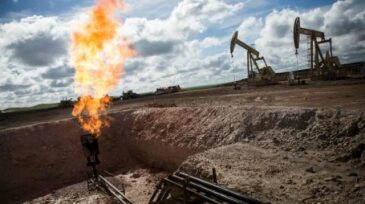
Emissions management covers a wide array of topics such as carbon capture, use, and storage; emissions monitoring; flare management; methods to improve operational efficiency; carbon accounting; and the effect of emissions management on global and local economics. The papers published in the past year span all these subcategories.

This study explores the carbon-capture and mineralization potential of ultramafic rock powders when exposed to flue gases generated from combustion of crude oil and mesquite-derived charcoal.
-
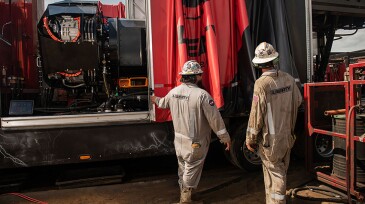
 Natural gas-powered electric fleets look to pave the way for the next generation of power generation.
 -
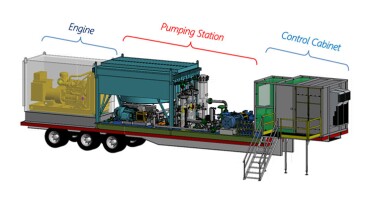
This article describes a technology combining a compression unit with a flexible line to offer a flaring alternative for transferring hydrocarbons.
-
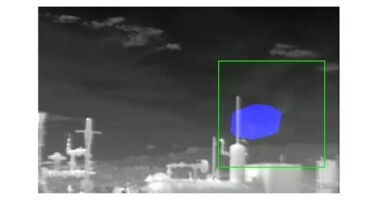
This paper describes a deep-learning image-processing model that uses videos captured by a specialized optical gas-imaging camera to detect natural gas leaks.
-
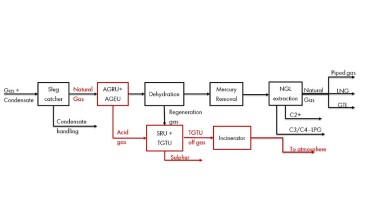
This paper aims to provide insights to address the challenge of identifying the optimal point within the gas-processing lineup for recovering a high-purity CO₂ stream suitable for sequestration.
-
The revised report provides upstream oil and gas operators with a framework and guidelines to help select and deploy methane emissions detection and quantification technologies.
-
As part of a subnational climate coalition, the state is moving forward with a satellite data project to track methane emissions.
-
The move by the US Congress and the White House is part of a broader effort to overturn the Inflation Reduction Act passed in 2022.
-
A recent survey by consultancy firm Bain & Company found that, despite record clean-energy investments, executives cited financial constraints, shareholder hesitancy, and policy uncertainty as key obstacles to reaching net-zero carbon emissions.
-
The new burner, created with the help of machine learning and additive manufacturing, promises high methane destruction efficiency and combustion stability even in windy conditions.
-
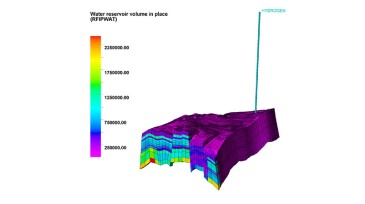
This paper aims to investigate the use of an optimization workflow to maximize both hydrogen storage and the net present value to obtain an optimal reservoir development strategy.