Emission management

This paper presents a flexible, highly cost- and energy-efficient method of gas separation and CO₂ capture from many different gas mixtures with a large range of CO₂ concentrations.

Emissions management covers a wide array of topics such as carbon capture, use, and storage; emissions monitoring; flare management; methods to improve operational efficiency; carbon accounting; and the effect of emissions management on global and local economics. The papers published in the past year span all these subcategories.

This study explores the carbon-capture and mineralization potential of ultramafic rock powders when exposed to flue gases generated from combustion of crude oil and mesquite-derived charcoal.
-
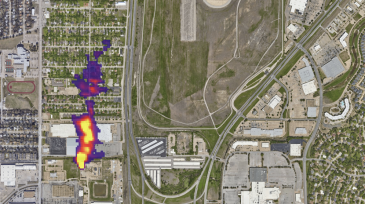
 A new study finds that, of the roughly 15 million tonnes of methane coming from onshore oil and gas activities in the continental US annually, 70% comes from smaller, dispersed sources emitting less than 100 kg of methane per hour and 30% of emissions are from sites releasing less than 10 kg per hour.
 -
This article explores three key themes for the oil and gas sector: the evolution of methane regulation at the state and federal levels, a preliminary forecast of why and how methane regulation will continue, and practical ways the oil and gas sector can prepare for enhanced enforcement scrutiny.
-
Greenhouse gases are woven into every stage of a well’s life, which presents challenges that demand creative solutions that do not require too much capital.
-
The energy world is rapidly changing. The pressure to address climate change, ensure reliable energy supplies, and manage costs is greater than ever.
-
The analysis found that the decline in Permian Basin methane emissions equaled the annual carbon emissions avoided by every electric vehicle in the US.
-
The funding, aimed to help small operators, builds on nearly 100 cross-government actions designed to sharply reduce methane pollution.
-
Texas regulators are taking public comment about how they should implement an EPA rule to reduce methane leaks from the oil and gas industry.
-
This paper serves as a comprehensive overview of greenhouse-gas emission source data visibility in oil and gas production operations.
-
The drilling contractor is spending big to deploy natural-gas-powered microgrids and battery storage.
-
The upstream oil and gas sector alone could cut as much as 4% of global greenhouse-gas emissions, according to a report from McKinsey. But this will take worldwide cooperation among industry players and capital investors.