Energy transition

This paper presents a flexible, highly cost- and energy-efficient method of gas separation and CO₂ capture from many different gas mixtures with a large range of CO₂ concentrations.

This study explores the carbon-capture and mineralization potential of ultramafic rock powders when exposed to flue gases generated from combustion of crude oil and mesquite-derived charcoal.

After years of market shocks, technological breakthroughs, and rising uncertainty, ATCE 2026 will provide new insights on how industry leaders and technical experts are preparing for the next era of the upstream business.
-
 The H2TS brings together technical professionals and academics who are active, or have a deep interest, in the use of hydrogen as an energy carrier.
 -
Egypt bags its newest wind project with UAE to feed future electrical flows regionally and eventually to Europe.
-
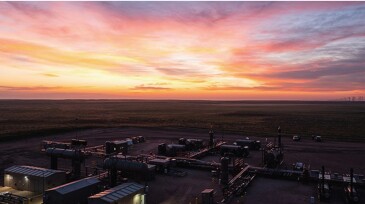
Seven facilities design and public engagement principles are identified as key elements for the future oil and natural gas production facilities for the DJ Basin, and maybe even as a guide for other North American onshore shale basins.
-
The US/UAE Partnership for Accelerating Clean Energy (PACE) is set to catalyze $100 billion in financing, investment, and other support and to deploy globally 100 GW of clean energy by 2035 to advance the energy transition and maximize climate benefits.
-
In following some of the upstream industry's other big firms, the legacy oilfield service company believes the time for a change has come.
-
Occidental Petroleum is considered one of the upstream industry’s most dynamic companies after making major investments to boost oil and gas production while also scaling up low-carbon technologies.
-
Petroleum engineers have important roles to play in the future energy for the world. Among these are using our traditional concept of producing oil and natural gas as we are doing now and will need to continue to do for decades to come; using our competencies to address the challenges of climate change; and helping to develop additional forms of energy that do not add…
-
Houston-based startup Cemvita Factory uses its hydrogen-producing microbes downhole to considerably lower the cost of hydrogen production.
-
Long recognized as a pillar of US energy production, deepwater Gulf of Mexico could help provide the resources the world needs during the energy transition.
-
Geothermal energy has the potential to play a significant role in Japan's energy transition.