Energy transition

This study explores the carbon-capture and mineralization potential of ultramafic rock powders when exposed to flue gases generated from combustion of crude oil and mesquite-derived charcoal.

This paper introduces channel stacking, a novel and efficient methodology designed to significantly improve optical gas imaging-based leak detection.

After years of market shocks, technological breakthroughs, and rising uncertainty, ATCE 2026 will provide new insights on how industry leaders and technical experts are preparing for the next era of the upstream business.
-
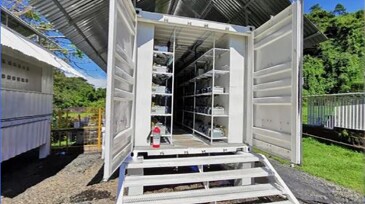
 The owner of a hydroelectric power plant has created a cottage industry for local crypto miners in Costa Rica where electricity is in surplus and the power that is produced is all green.
 -
You know about upstream, midstream, and downstream. Now, get ready for the coming age of "counterstream" which will leverage many of the industry's existing engineering skillsets.
-
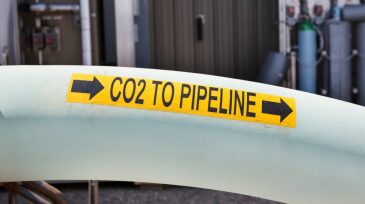
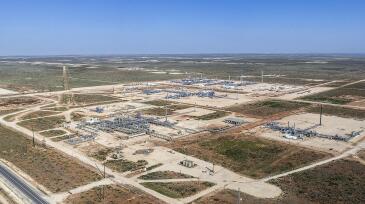
Gas processor Lucid Energy is moving forward with a plan to inject a mix of carbon dioxide and hydrogen sulfide deep below New Mexico’s portion of the Permian Basin. The project is designed to keep injecting for 30 years.
-
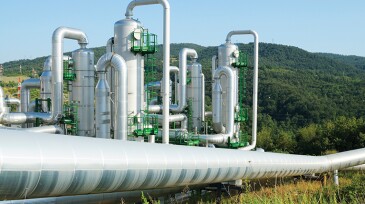
The technical section will focus on the transfer of technology and practices from the oil and gas industry to geothermal energy development and promote industry best practices.
-
If you’ve lived in areas with cold winters—really cold winters—you’ll applaud this research. It holds the potential to further the goal of decarbonization of the building industry plus improve comfort.
-
The mood in the global oil and gas business is looking up, but the times are changing as reflected in this selection of some of the most-read JPT articles of the year.
-
New investment, maturity in nuclear fusion technology could be the key to meeting lofty emissions goals.
-
Hydrogen continues to rise, and ammonia production is not far behind. Plans to handle nitrous oxide are also bubbling to the surface. Big ideas crop up in Poland, as well as in the Permian. Are you trying to stay up to date about developments aimed at energy-transition efforts in our industry? This roundup of news recaps some recent announcements.
-
The country’s Just Transition Summit, held in 2019, not only has set the groundwork for a stronger New Zealand on multiple fronts but also serves as an example for other countries and the international business community on how to create a shared roadmap for a sustainable society.
-
The degree to which the world depends on oil and gas is not well understood.