Energy transition

This paper presents a flexible, highly cost- and energy-efficient method of gas separation and CO₂ capture from many different gas mixtures with a large range of CO₂ concentrations.

This study explores the carbon-capture and mineralization potential of ultramafic rock powders when exposed to flue gases generated from combustion of crude oil and mesquite-derived charcoal.

After years of market shocks, technological breakthroughs, and rising uncertainty, ATCE 2026 will provide new insights on how industry leaders and technical experts are preparing for the next era of the upstream business.
-
 As clean energy technology gains ground, a new energy security concern is taking center stage. Where once national security officials watched oil supplies, they are now tracking the production of minerals such as cobalt, indium, and neodymium used in the manufacturing of batteries, solar panels, and wind turbines.
 -
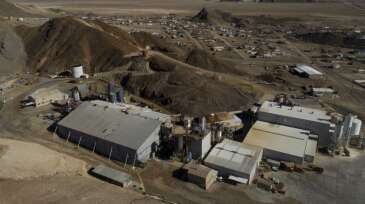
The NeoLith pilot plant is on track to begin operations before the end of the year.
-
Russia’s largest oil company is moving quickly to shed underperforming brownfield assets to raise capital and transform itself into a major LNG player this decade. The state-owned giant is making the move as natural gas positions itself for a growing role in the energy transition.
-
Will the oil fields of today become the hydrogen fields of tomorrow? Calgary-based Proton Technologies says this is possible and hopes to prove it soon after inking multiple licensing deals with other oil and gas companies.
-
Understanding the impact of oil and gas operations and embracing transparency around data better equips companies to take transformative action and “bounce forward” rather than back. The increased speed in realizing actual value delivers benefits to the bottom line, now and in the energy future.
-
Calgary-based Eavor Technologies has raised $40 million to build out geothermal systems that use horizontal-drilling technology and may someday give abandoned oil and gas fields a second act.
-
The Norwegian energy company and the French utility say jointly developing low-carbon hydrogen will pave the way to achieving net-zero emissions in 2050.
-
Canada has several strategic advantages that can support a robust hydrogen industry. These include both carbon-based and renewable resources for producing hydrogen, a skilled energy sector, strategic infrastructure, and a history of being a global leader in the hydrogen and fuel-cell market.
-
The gas industry on both sides of the Atlantic is moving to create markets and infrastructure in Europe in anticipation of promoting blue hydrogen, derived from natural gas, as a transition fuel to support EU goals of achieving net-zero emissions by 2050.
-
After a lot of talk of the transition, BP and Total are making bids to become major wind energy producers in the UK. Meanwhile, NOV said the offshore wind sector is becoming a big business for it too.