Energy transition

This paper presents a flexible, highly cost- and energy-efficient method of gas separation and CO₂ capture from many different gas mixtures with a large range of CO₂ concentrations.

This study explores the carbon-capture and mineralization potential of ultramafic rock powders when exposed to flue gases generated from combustion of crude oil and mesquite-derived charcoal.

After years of market shocks, technological breakthroughs, and rising uncertainty, ATCE 2026 will provide new insights on how industry leaders and technical experts are preparing for the next era of the upstream business.
-
 The country has announced that it plans to phase out all oil extraction by 2050.
 -
A Canadian company reports that it has drilled and completed a historic horizontal well in Saskatchewan.
-
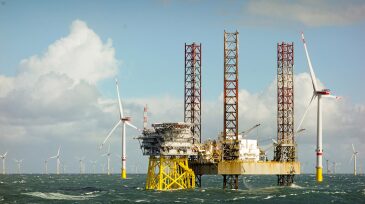
Offshore wind energy projects provide appealing options for the application of the skills and knowledge of practitioners involved in the design and fabrication of oil and gas facilities, especially those with offshore experience.
-
Many major oil and gas operators have announced their intentions to achieve various emissions goals. Obviously, the transition cannot be achieved with a simple flip of a switch and will require some time.
-
TechnipFMC and McPhy signed a memorandum of understanding to work together on the development and project implementation of hydrogen technology. Separately, McPhy and Chart Industries also signed a memorandum to scale up hydrogen projects across various markets.
-
Extending and transferring the high-temperature capabilities of existing E&P technologies could make geothermal energy development possible—and scalable—anywhere in the world.
-
There is a lot of talk these days about transitions. There are technology transitions going on. There are demographic and cultural transitions in the workforce and in society at large. But the one I want to focus on in this column is the so-called “energy transition.”
-
The author of The Prize talked recently about his newest book on the energy transition and what he sees as the most dynamic forces shaping the things to come.
-
This year’s outlook contains scenarios that suggest peak demand has already arrived because of a global pandemic and an accelerating energy transition.
-
As the company aims to become carbon net zero by 2050, it is undertaking a three-pronged approach focused on transforming its core, investing for growth, and positioning for the future.