Environment

With millions of wells having been drilled in the US since the beginning of the oil age, the land is pocked with old, unused wellbores. For most, repurposing is a pipe dream. Plugging is the best option.

This guest editorial examines how the most commonly used and cited methane emissions metric can create a misleading picture of upstream gas-handling performance for both the public and industry professionals.

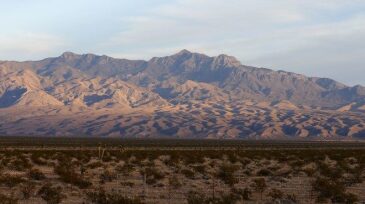
Spain has granted permits covering a swath of the mountain range to Mantle8 for natural hydrogen and helium exploration a month after France granted the company similar permits.
-
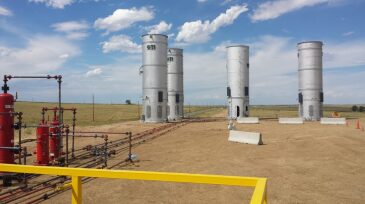
 Instead of burning money, why not make electricity? This is the big pitch being made by a growing number of technology companies who see green every time they see a red-hot flare burning associated gas.
 -
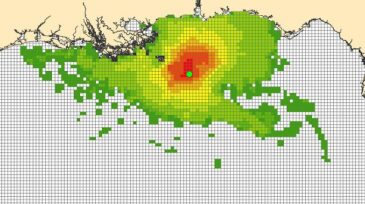
Toxic and invisible oil spread well beyond the known satellite footprint of the Deepwater Horizon oil spill, according to a new study led by scientists at the University of Miami Rosenstiel School of Marine and Atmospheric Science.
-
This paper describes a multiyear program in an oilfield services company that has been incorporating sustainability into internal business processes and improving environmental performance through the application of continuous improvement techniques.
-
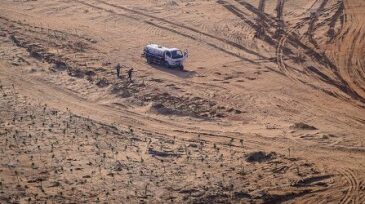
Republican lawmakers proposed legislation setting a goal for the US to plant a trillion trees by 2050 to fight global warming, a plan intended to address climate change by sucking carbon out of the air instead of by cutting emissions.
-
A US district court judge rejected a request for a temporary restraining order that would have halted the $2 billion natural gas Permian Highway Pipeline, which is being built through the habitat of the golden-cheeked warbler, an endangered songbird.
-
BP says it is firmly committed to achieving the ambitious target of net-zero greenhouse gas emissions over the next 30 years—even if that means producing less oil and gas.
-
President Trump’s limited references to the environment in his State of the Union address included a plan to combat climate change with trees and a claim that his “bold regulatory reduction campaign” had boosted the oil and gas industry.
-
The Bureau of Land Management may stop studying how its long-term blueprints for millions of acres of public lands would affect the environment.
-
The new standardized ERA Acute method provides quantitative assessment of environmental impact and risk of acute oil spills covering four environmental compartments: sea surface, shoreline, water column, and seafloor.
-
The company said its goals underscore its strong environmental, social, and governance performance as it responds to rising global energy demand. In addition, it said, the goals are aligned with the United Nation’s Sustainable Development Goals.