Environment

TotalEnergies signed off for 30% operated stakes in the Lang Lebah and B14 gas fields offshore Sarawak on the sidelines of ADIPEC in Abu Dhabi, while also highlighting methane-reduction partnerships in Angola, India, and Southeast Asia.

DNV notes that energy and industrial process-related carbon emissions will have dropped by 2050 by only 44% from today’s level, not even halfway to the net-zero pledge envisioned by the Paris climate agreement.

The Absheron gas field expansion will supply additional natural gas to Azerbaijan’s domestic market and support its export commitments to Turkey, allowing Baku to stay focused on meeting its gas export obligations to Europe.
-
 The Norwegian energy company and the French utility say jointly developing low-carbon hydrogen will pave the way to achieving net-zero emissions in 2050.
-
The panel's chairman said it will renew its commitment to review equity concerns related to new energy projects.
-
Using renewable energy can help the oil and gas industry to reduce emissions while getting a stable, high-quality power supply. The renewable energy system can even be used to help the oil and gas facilities with enhanced oil recovery.
-
The partnership aims to speed up the decarbonization of seven global industries representing 30% of global emissions, which include steel, trucking, shipping, chemicals, cement, aluminum, and aviation.
-
DNV GL awarded Heerema Marine Contractors Statements of Feasibility for two concepts designed to reduce the noise of offshore structure installation.
-
Just a few weeks after the Colorado Oil and Gas Conservation Commission's final approval of a statewide 2,000-ft setback between new wells and some buildings, Boulder County commissioners have adopted even stricter requirements.
-
Brian Sullivan, the executive director of IPIECA, the global oil and gas industry association for advancing environmental and social performance, lays out the organization’s plans to adapt to a changing world while supporting the energy transition and sustainable development.
-
Some of the world’s largest oil companies are hoping to convince the US Supreme Court to decide whether they should be held liable for climate change.
-
Texas’s main oil regulator has been prohibited from waiving environmental rules and fees, measures adopted to help drillers cope with the pandemic-driven slump in crude prices.
-
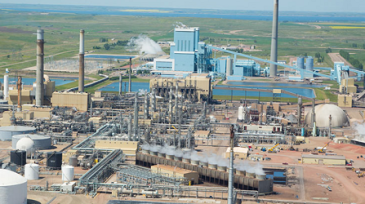
The Great Plains Synfuels Plant in North Dakota has now captured 40 million metric tons of carbon dioxide, a milestone in the synthetic natural gas production facilities’ 20-year effort to lower the impacts of energy production.