Environment

TotalEnergies signed off for 30% operated stakes in the Lang Lebah and B14 gas fields offshore Sarawak on the sidelines of ADIPEC in Abu Dhabi, while also highlighting methane-reduction partnerships in Angola, India, and Southeast Asia.

DNV notes that energy and industrial process-related carbon emissions will have dropped by 2050 by only 44% from today’s level, not even halfway to the net-zero pledge envisioned by the Paris climate agreement.

The Absheron gas field expansion will supply additional natural gas to Azerbaijan’s domestic market and support its export commitments to Turkey, allowing Baku to stay focused on meeting its gas export obligations to Europe.
-
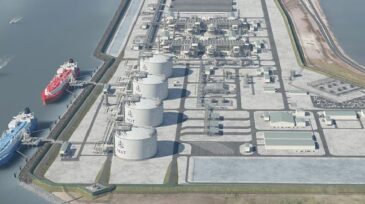
 Engie’s delayed supply contract with NextDecade’s Rio Grande LNG project is for 20 years. FID on the project is expected in 2021.
-
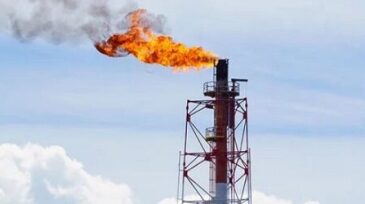
IPIECA, the global oil and gas industry association for advancing environmental and social performance, has scheduled a virtual workshop for 2 November to look at methane science, regulations, voluntary initiatives, and global expectations.
-
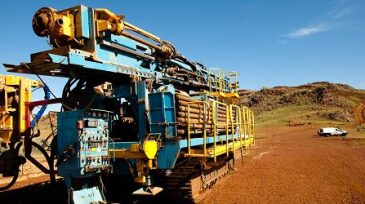
Primarily used in a few US states, waste-slurry-injection technology could help operators reduce cost, while also potentially reducing their carbon footprint. But the process may still present technical and environmental challenges.
-
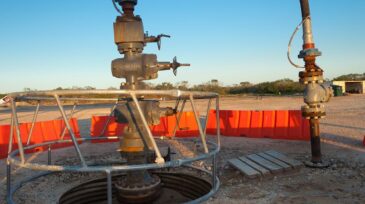
New regulations have recently commenced with the effect that all onshore oil and gas exploration and production proposals involving hydraulic fracturing in Western Australia now will need to be referred to the Environmental Protection Authority for assessment.
-
A federal court struck down an Obama-era regulation targeting methane leaks from drilling on public lands, arguing that it went beyond the scope of the Bureau of Land Management, which promulgated the rule.
-
Future offshore oil and gas fields are likely to be satellite developments that emit less greenhouse gas because they do not require new production platforms. A new computational tool is now enabling the design of longer pipelines that will allow many more fields to be developed as satellites.
-
Tough talk about World Bank financing for oil and gas is a sign of the growing pressure to squeeze investing in fossil fuels as a way to slash carbon emissions.
-
Plugging and cleaning up the open oil and gas wells in Texas could cost companies and taxpayers as much as $117 billion, according to a new report.
-
A state commission has approved a rule that will require companies to monitor emissions from oil and gas sites earlier and more frequently than is currently done as Colorado officials implement a law overhauling how the industry is regulated.
-
President Trump expanded a ban on exploratory drilling off the coasts of North Carolina and Virginia, his latest extension of an existing offshore drilling moratorium in the Gulf of Mexico.