Environment

TotalEnergies signed off for 30% operated stakes in the Lang Lebah and B14 gas fields offshore Sarawak on the sidelines of ADIPEC in Abu Dhabi, while also highlighting methane-reduction partnerships in Angola, India, and Southeast Asia.

DNV notes that energy and industrial process-related carbon emissions will have dropped by 2050 by only 44% from today’s level, not even halfway to the net-zero pledge envisioned by the Paris climate agreement.

The Absheron gas field expansion will supply additional natural gas to Azerbaijan’s domestic market and support its export commitments to Turkey, allowing Baku to stay focused on meeting its gas export obligations to Europe.
-
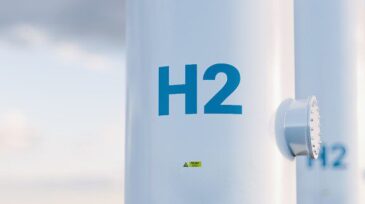
 Senior oil and gas professionals see hydrogen as a significant part of the global energy mix by 2030.
-
The Alberta Energy Regulator has suspended a wide array of environmental monitoring requirements for oilsands companies over public health concerns raised by the COVID-19 pandemic.
-
The number of temporarily abandoned oil and gas wells is up 37% from last year, but Colorado regulators say they still have the time—and money—to inspect them.
-
After years of negotiations, the province announced that it had reached a preliminary agreement with the federal government that it calls a “major step toward providing Alberta’s oil and gas industry a single set of strong rules to reduce methane emissions and protect the environment.”
-
US energy-related carbon dioxide emissions declined by 2.8% in 2019 to 5,130 million metric tons, according to data in the US Energy Information Administration’s Monthly Energy Review. Carbon dioxide emissions had increased by 2.9% in 2018, the only annual increase in the past 5 years.
-
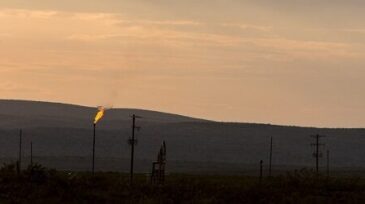
Video shows a substantial share of oil and gas flares are unlit or faulty, revealing a previously overlooked methane source that could turn out to be one of the region’s biggest.
-
The French oil and gas major announced that it plans to achieve net-zero emissions by 2050 for its global business across production and including energy products used by its customers.
-
A 3-year study of air quality, soils, groundwater, and waterways found few to no effects as a result of hydraulic fracturing operations in Surat Basin coal seam formations.
-
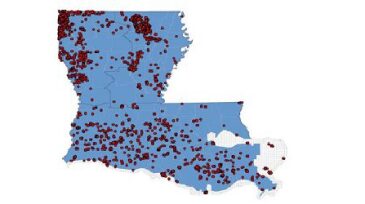
The Louisiana agency overseeing oil and gas drilling has seen a 50% increase in orphaned wells the state must pay to plug because they’ve been abandoned by their operators, according to a new audit by the Louisiana Legislative Auditor’s Office.
-
Enough gas to supply 7 million homes is leaking into the atmosphere above oil fields in Texas and New Mexico, the largest plume of climate-change-driving methane pollution ever recorded over a US oil field, a new study from Harvard University and Environmental Defense Fund shows.