Environment

TotalEnergies signed off for 30% operated stakes in the Lang Lebah and B14 gas fields offshore Sarawak on the sidelines of ADIPEC in Abu Dhabi, while also highlighting methane-reduction partnerships in Angola, India, and Southeast Asia.

DNV notes that energy and industrial process-related carbon emissions will have dropped by 2050 by only 44% from today’s level, not even halfway to the net-zero pledge envisioned by the Paris climate agreement.

The Absheron gas field expansion will supply additional natural gas to Azerbaijan’s domestic market and support its export commitments to Turkey, allowing Baku to stay focused on meeting its gas export obligations to Europe.
-
 Earth Day this year, 22 April, marked 50 years of raising global awareness for the challenges faced by the planet and the life it supports. IPIECA, the oil and gas industry association for advancing environmental and social performance, has been addressing climate issues for more than 30 years.
-
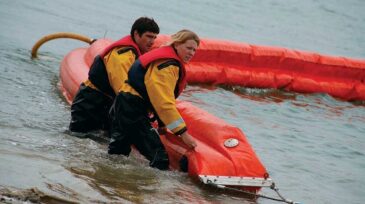
On 20 April 2010, a blowout on the Deepwater Horizon, drilling at the Macondo prospect in the Gulf of Mexico, killed 11 crew and caused a major oil spill. The accident and spill forever changed the industry.
-
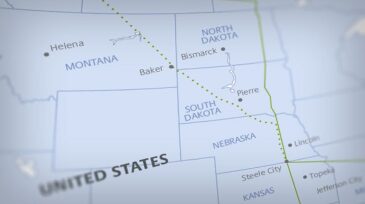
The court ruling comes less than a month after TC Energy announced plans to proceed with construction of the Keystone Pipeline.
-
A preliminary estimate from the US National Oceanic and Atmospheric Administration finds that levels of atmospheric methane, a potent heat-trapping gas, have hit an all-time high.
-
As studies point to increased emissions, ExxonMobil is stepping up efforts to detect and mitigate methane release.
-
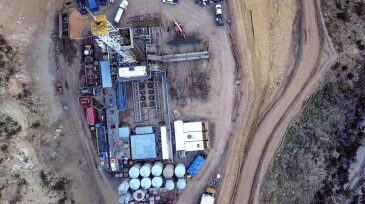
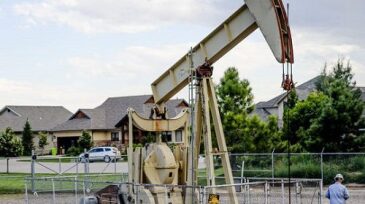
The county commissioners approved regulations for new oil and gas facilities in the county that match or exceed state rules.
-
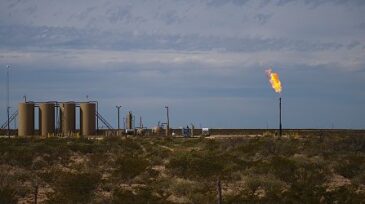
The combined effect of COVID-19 and an ongoing oil price war has ushered in one of the worst downturns for the energy industry in modern history. Yet, a bright side is shining through; flaring levels in the Permian Basin have fallen sharply and will continue to decline, a Rystad Energy report shows.
-
The oil and gas industry recognized the value of UASs a few years ago, and now the industry and oil-spill-response organizations around the world are looking at ways to use UAS technology to have “eyes in the sky” to support spill responses and explore the safety, efficiency, and cost benefits.
-
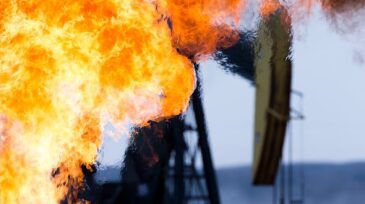
Flaring has roughly tripled in 2 years in the Permian. As flaring has skyrocketed, so have the calls to curb it. But there is little agreement on how that should be done.
-
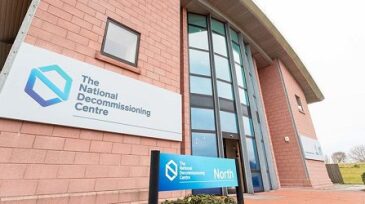
The partnership will fund research projects that aim to improve the understanding of the environmental impacts of decommissioning and provide guidance on best options from an environmental perspective.