Environment

TotalEnergies signed off for 30% operated stakes in the Lang Lebah and B14 gas fields offshore Sarawak on the sidelines of ADIPEC in Abu Dhabi, while also highlighting methane-reduction partnerships in Angola, India, and Southeast Asia.

DNV notes that energy and industrial process-related carbon emissions will have dropped by 2050 by only 44% from today’s level, not even halfway to the net-zero pledge envisioned by the Paris climate agreement.

The Absheron gas field expansion will supply additional natural gas to Azerbaijan’s domestic market and support its export commitments to Turkey, allowing Baku to stay focused on meeting its gas export obligations to Europe.
-
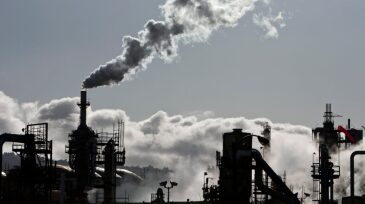
 New Mexico released data on excess greenhouse emissions from oil and gas operations to keep the public informed of the problem, as the state continues to develop stricter policies to regulate air pollution from the industry and other sources.
-
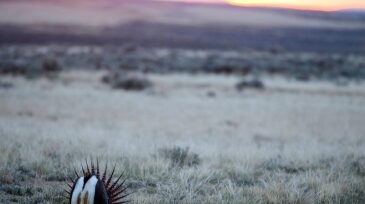
A federal judge on 16 October blocked the Trump administration’s plan to ease protections for an iconic bird that makes its home on millions of acres of oil- and gas-rich sagebrush lands, dealing a blow to government efforts to allow more drilling, mining, and logging in the west.
-
The energy major said it plans to reduce emission intensity by 5–10% for upstream oil production and by 2–5% for upstream gas.
-
Ireland’s decision to end fossil fuel exploration, which was announced by Taoiseach Leo Varadkar at the recent UN climate summit, means the republic is among the first countries in the world to get out of oil and gas production.
-
Large-scale investment in carbon capture and methane-emission reduction tops the agenda of the Oil and Gas Carbon Initiative, an organization led by chief executives of several major oil and gas companies.
-
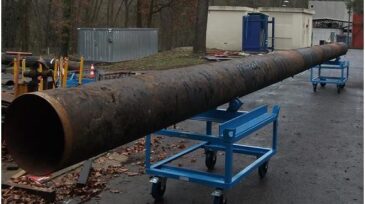
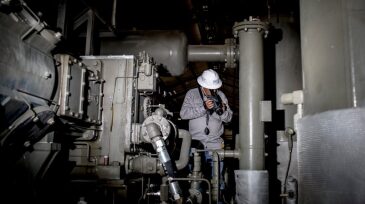
Fiber optics are considered one of the more promising direct leak-detection technologies. The fiber core normally used for telecommunication can be converted as a sensor using the principle of light backscattering within the fiber.
-
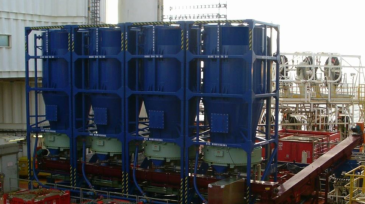
Safe and green innovations for handling hydrocarbon-contaminated cuttings are of great interest for offshore platforms. This paper describes a bulk transfer system that improves the safety of handling cuttings offshore and provides an environmentally acceptable approach to cuttings management.
-
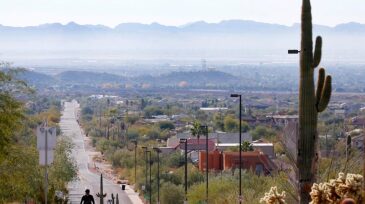
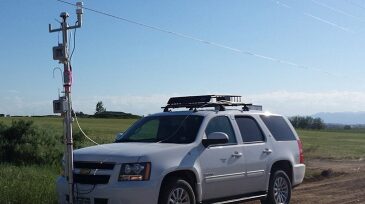
Mobile plume tracking, led by Colorado State University air pollution experts, is a key technology in the city of Broomfield’s ongoing Air Quality Testing Program. And it’s just one aspect of a 3-year, $1.7 million contract awarded by Broomfield last year.
-
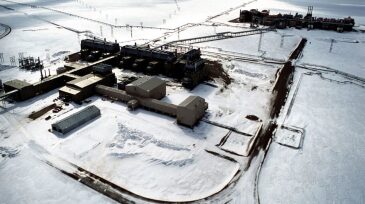
Snow depths on Alaska’s North Slope have thinned this year, the University of Alaska Fairbanks said in a study, creating a possible obstacle for exploration in part of the Arctic National Wildlife Refuge thought to harbor more than 7 billion bbl of oil.
-
Oil and gas producers might have been expected to welcome a decision to loosen regulations affecting their business. But, their reaction to the Trump administration’s move to roll back methane-emissions rules revealed at least tactical divisions on climate policy.