Environment

TotalEnergies signed off for 30% operated stakes in the Lang Lebah and B14 gas fields offshore Sarawak on the sidelines of ADIPEC in Abu Dhabi, while also highlighting methane-reduction partnerships in Angola, India, and Southeast Asia.

DNV notes that energy and industrial process-related carbon emissions will have dropped by 2050 by only 44% from today’s level, not even halfway to the net-zero pledge envisioned by the Paris climate agreement.

The Absheron gas field expansion will supply additional natural gas to Azerbaijan’s domestic market and support its export commitments to Turkey, allowing Baku to stay focused on meeting its gas export obligations to Europe.
-
 This paper highlights the results of a test campaign for a tool designed to predict the short-term trends of energy-efficiency indices and optimal management of a production plant.
-
Researchers mapped 251 faults in the North Texas home of the Barnett Shale, the birthplace of the shale revolution, finding that wastewater injection there “significantly increases the likelihood for faults to slip.”
-
More than 60 producers participate in the program designed to reduce wellsite emissions.
-
BHP announced a 5-year, $400-million Climate Investment Program to develop technologies to reduce emissions from its operations as well as those generated from the use of its resources.
-
In June 2016, GHGSat launched the world’s first satellite capable of measuring greenhouse-gas emissions from targeted industrial facilities around the world. This paper describes the system, including sensor and satellite specifications.
-
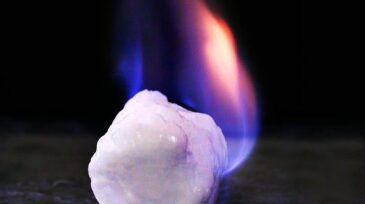
Sending atmospheric carbon dioxide into underground methane hydrates could clean the air and create revenue.
-
The acquisition will add to the group’s offerings aimed at environmental impact assessments and project approvals.
-
Among other things, Bill C-69 has replaced the Canadian Environmental Assessment Act, 2012, with an Impact Assessment Act, replaced the National Energy Board Act with a Canadian Energy Regulator Act, and made changes to the Navigation Protection Act.
-
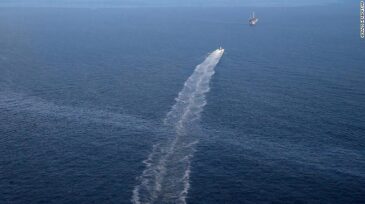
A new federal study estimates that, each day, about 380 to 4,500 gal of oil are flowing at the site where a company's oil platform was damaged after a hurricane. That's about a hundred to a thousand times worse than the company's initial estimate.
-
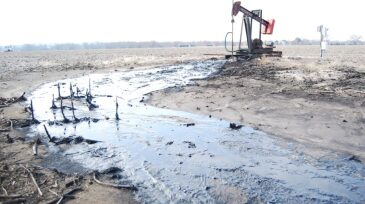
The number of deserted oil and gas wells in Kansas blossomed during the past 5 years to 22,000. A Kansas Corporation Commission annual report revealed a fund created in 1996 to finance plugging of wells to be inadequate if the objective was to keep pace with demand for plugging.