Environment

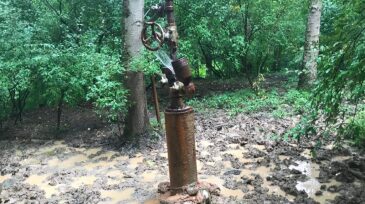
With millions of wells having been drilled in the US since the beginning of the oil age, the land is pocked with old, unused wellbores. For most, repurposing is a pipe dream. Plugging is the best option.

This guest editorial examines how the most commonly used and cited methane emissions metric can create a misleading picture of upstream gas-handling performance for both the public and industry professionals.

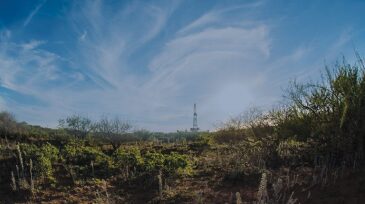
Spain has granted permits covering a swath of the mountain range to Mantle8 for natural hydrogen and helium exploration a month after France granted the company similar permits.
-
 The oil and gas major has set aside $100 million to fund projects that will deliver new greenhouse gas emissions reductions in its upstream oil and gas operations.
 -
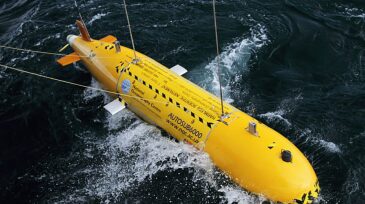
Scientists at the National Oceanographic Centre have released a review of how marine robotic capabilities can support the environmental monitoring needed for decommissioning oil and gas installations.
-
The organizations will receive more than $4.1 million for research projects aiming to improve protocols to minimize the environmental effect of oil spills in water.
-
Among the most consequential provisions is the permanent reauthorization of the Land and Water Conservation Fund, a federal program established in the 1960s that uses fees and royalties paid by oil and gas companies drilling in federal waters to pay for onshore conservation programs.
-
Global climate concerns, amplified in the public consciousness by a steady stream of violent weather events such as hurricanes and California wildfires, are generating a new set of realities for the energy industry.
-
A Florida appeals court has approved exploratory oil drilling in the Everglades, prompting worries about Miami’s water supply and risks to the wetland ecosystem.
-
Kentucky lawmakers have introduced House Bill 199 to plug orphaned oil and gas wells and abandoned storage tanks that threaten health, safety, and the environment.
-
A bipartisan group of House lawmakers introduced legislation that would ban oil and natural gas drilling in Alaska’s Arctic National Wildlife Refuge.
-
Since 2011, Equinor has reduced carbon dioxide emissions from its logistical operations for the Norwegian continental shelf (NCS) by 600,000 tonnes. The company’s ambition is to halve emissions in the NCS supply chain by 2030.
-
The deployment and adoption of digital technologies across the oil and gas value chain could help scale the effect of the industry’s methane-reduction efforts, finds a new report.