Environment

TotalEnergies signed off for 30% operated stakes in the Lang Lebah and B14 gas fields offshore Sarawak on the sidelines of ADIPEC in Abu Dhabi, while also highlighting methane-reduction partnerships in Angola, India, and Southeast Asia.

DNV notes that energy and industrial process-related carbon emissions will have dropped by 2050 by only 44% from today’s level, not even halfway to the net-zero pledge envisioned by the Paris climate agreement.

The Absheron gas field expansion will supply additional natural gas to Azerbaijan’s domestic market and support its export commitments to Turkey, allowing Baku to stay focused on meeting its gas export obligations to Europe.
-
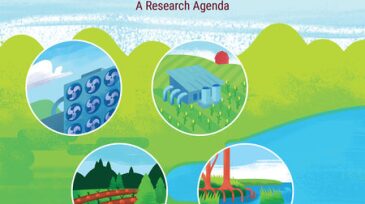
 Some of these technologies can be deployed now, but additional ones are needed to meet climate goals.
-
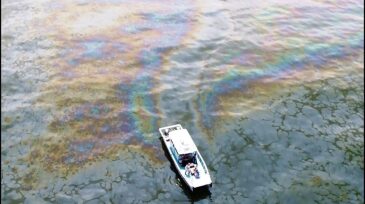
Engineers from the Monterey Bay Aquarium Research Institute have demonstrated a new use for the institute's long-range autonomous underwater vehicles—detecting and tracking oil spills.
-
A new study offers answers to questions that have puzzled policymakers, researchers,and regulatory agencies for decades: How much methane is being emitted from natural gas operations across the US? And why have different estimation methods seemed to disagree?
-
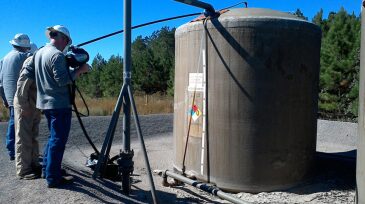
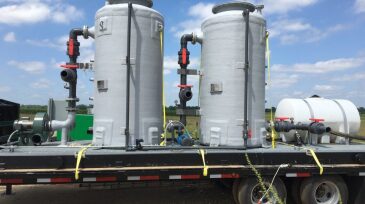
Biological-based emissions control has promising advantages such as the potential for a low carbon footprint, low secondary pollutants such as NOx and SOx, lower energy demands, and lower cost.
-
An oil spill that has been quietly leaking millions of barrels into the Gulf of Mexico has gone unplugged for so long that it now verges on becoming one of the worst offshore disasters in US history.
-
Proposed changes would modify EPA's August 2016 final rule, "Oil and Natural Gas Sector: Emission Standards for New, Reconstructed, and Modified Sources." The proposal has been submitted for publication to the Federal Register. Following that publication, the EPA will accept comments for 60 days.
-
The 1972 Clean Water Act has driven significant improvements in US water quality, according to the first comprehensive study of water pollution over the past several decades by researchers at UC Berkeley and Iowa State University.
-
Bob Dudley, the chief executive of BP, took charge of the London-based company when it was struggling to survive after the 2010 explosion of the Deepwater Horizon oil rig in the Gulf of Mexico. Dudley recently talked about the oil industry, climate change pressures, and technology.
-
Stanford researchers have mapped local susceptibility to man-made earthquakes in Oklahoma and Kansas. The new model incorporates physical properties of the Earth’s subsurface and forecasts a decline in potentially damaging shaking through 2020.
-
2019 SPE President Sami Alnuaim will spend the next year forging new relationships to promote the industry’s role in addressing environmental issues.