Environment

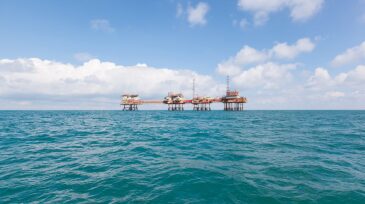
TotalEnergies signed off for 30% operated stakes in the Lang Lebah and B14 gas fields offshore Sarawak on the sidelines of ADIPEC in Abu Dhabi, while also highlighting methane-reduction partnerships in Angola, India, and Southeast Asia.

DNV notes that energy and industrial process-related carbon emissions will have dropped by 2050 by only 44% from today’s level, not even halfway to the net-zero pledge envisioned by the Paris climate agreement.

The Absheron gas field expansion will supply additional natural gas to Azerbaijan’s domestic market and support its export commitments to Turkey, allowing Baku to stay focused on meeting its gas export obligations to Europe.
-
The British Columbia government is moving forward with the second phase of spill regulations, announcing further stakeholder engagement on important elements such as spill response in sensitive areas and geographic response plans.
-
 Platform that once tested the limits of deep water will play new role closer to Louisiana coast.
-
A professor who the EPA charged with reviewing its 2016 study on hydraulic fracturing’s possible drinking water impacts shared her observations on the flawed process that led to the agency’s final conclusion.
-
North Sea oil and gas production was up but greenhouse gas emissions in 2016 were down against 2015 performance, according to Oil & Gas UK’s Environment Report.
-
At the State Council on 17 January, Ola Elvestuen was appointed as minister of climate and environment. Elvestuen is a member of parliament and represents Oslo. He was first elected to parliament in 2013 and has been deputy leader of the Liberal Party since 2008.
-
A US-government-sponsored program is putting new methane leak detection systems to the test with a goal of achieving functionality costs of $3,000/year/wellsite while hitting stringent performance criteria.
-
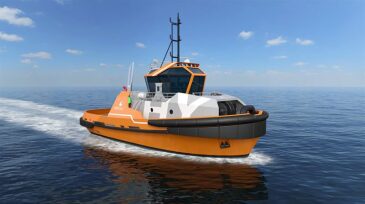
Wärtsilä plans to develop a harbor tug design to maximize ecological operational sustainability to be used a new port facility being built in the Brazilian city of São Mateus, which will have environmental demands among the most stringent in the world.
-
Belize, home of the largest barrier reef in the western hemisphere, has permanently suspended oil operations in its ocean waters.
-
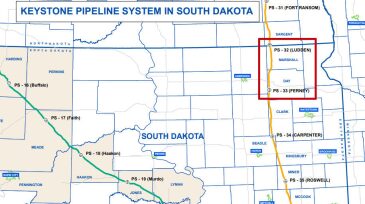
Weights used in the original construction of TransCanada’s Keystone Pipeline in South Dakota were identified as a preliminary cause of the failure that resulted in a 210,000-gal spill in November.
-
Congress is close to lifting a 40-year-old ban on energy development in Alaska’s Arctic National Wildlife Refuge, but drilling for oil in that frozen wilderness may still be years away as the effort faces exhaustive environmental reviews and likely lawsuits.