Environment

The Absheron gas field expansion will supply additional natural gas to Azerbaijan’s domestic market and support its export commitments to Turkey, allowing Baku to stay focused on meeting its gas export obligations to Europe.

With millions of wells having been drilled in the US since the beginning of the oil age, the land is pocked with old, unused wellbores. For most, repurposing is a pipe dream. Plugging is the best option.

This guest editorial examines how the most commonly used and cited methane emissions metric can create a misleading picture of upstream gas-handling performance for both the public and industry professionals.
-
 One of the most important environmental issues of openpit mining is the closure of mine pit lakes. This article from Mining Engineering provides an account by Gerry Stephenson, who was chief mining engineer of Canmore Mines and was instrumental in the reclamation of Canmore Creek Mine pit lakes.
 -
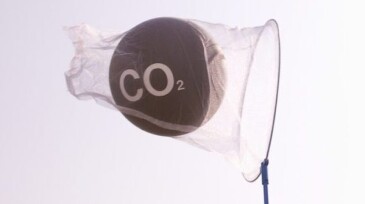
Mosaic’s technology uses chemistry to remove carbon dioxide from emissions sources, and the two firms will be looking at how to scale it for industrial use.
-
Scientists have discovered a way to extract hydrogen from oil without releasing greenhouse gases—a move they've hailed as a "silver bullet" for climate issues.
-
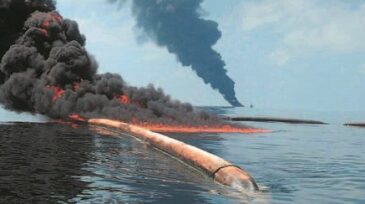
The updated document offers an introductory overview of the broad topics of oil spill preparedness and response and provides signposting and hyperlinks to a full range of materials from IPIECA and the International Association of Oil and Gas Producers.
-
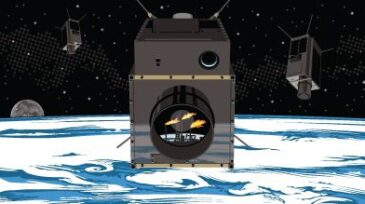
The 33-month project will compare emissions data collected by terrestrial sensors to GHGSat's combined satellite and aircraft measurements.
-
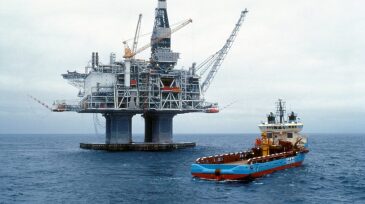
Production from the Hibernia platform was shut down again on 17 August after its second oil spill in a month, while Husky Energy began to ramp up output from the White Rose field following the largest-ever spill off Canada’s easternmost province.
-
An EPA plan would end oversight of methane leaks at oil wells, a move that risks undermining the climate sales pitch for natural gas.
-
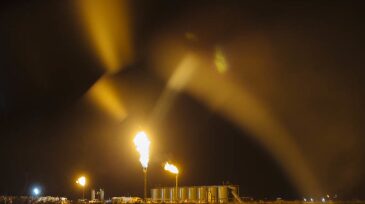
Texas regulators rejected a rare challenge to gas flaring in the state after an oil company argued that a flaring ban would force it to shut in wells, damaging the reservoir and reducing future oil production.
-
This paper highlights the results of a test campaign for a tool designed to predict the short-term trends of energy-efficiency indices and optimal management of a production plant.
-
Researchers mapped 251 faults in the North Texas home of the Barnett Shale, the birthplace of the shale revolution, finding that wastewater injection there “significantly increases the likelihood for faults to slip.”