Environment

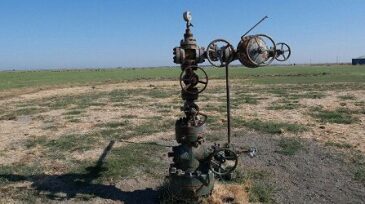
With millions of wells having been drilled in the US since the beginning of the oil age, the land is pocked with old, unused wellbores. For most, repurposing is a pipe dream. Plugging is the best option.

This guest editorial examines how the most commonly used and cited methane emissions metric can create a misleading picture of upstream gas-handling performance for both the public and industry professionals.

Spain has granted permits covering a swath of the mountain range to Mantle8 for natural hydrogen and helium exploration a month after France granted the company similar permits.
-
 New regulations have recently commenced with the effect that all onshore oil and gas exploration and production proposals involving hydraulic fracturing in Western Australia now will need to be referred to the Environmental Protection Authority for assessment.
 -
A federal court struck down an Obama-era regulation targeting methane leaks from drilling on public lands, arguing that it went beyond the scope of the Bureau of Land Management, which promulgated the rule.
-
Future offshore oil and gas fields are likely to be satellite developments that emit less greenhouse gas because they do not require new production platforms. A new computational tool is now enabling the design of longer pipelines that will allow many more fields to be developed as satellites.
-
Tough talk about World Bank financing for oil and gas is a sign of the growing pressure to squeeze investing in fossil fuels as a way to slash carbon emissions.
-
Plugging and cleaning up the open oil and gas wells in Texas could cost companies and taxpayers as much as $117 billion, according to a new report.
-
A state commission has approved a rule that will require companies to monitor emissions from oil and gas sites earlier and more frequently than is currently done as Colorado officials implement a law overhauling how the industry is regulated.
-
President Trump expanded a ban on exploratory drilling off the coasts of North Carolina and Virginia, his latest extension of an existing offshore drilling moratorium in the Gulf of Mexico.
-
As part of its sustainability strategy, Maersk Drilling has set a target of lowering the intensity of carbon dioxide emissions from its drilling operations by 50% by 2030. The target is supported by Maersk Drilling’s strategic focus on efficiency gains, which also leads to reduced emissions.
-
Just one orphaned site in California could have emitted more than 30 tons of methane. There are millions more like it.
-
Personnel are returning to platforms in the Gulf of Mexico after Hurricane Sally was downgraded to a tropical depression late Wednesday, but the threat of another major hurricane remains as a tropical storm may form in the Gulf of Mexico today.