Environment

With millions of wells having been drilled in the US since the beginning of the oil age, the land is pocked with old, unused wellbores. For most, repurposing is a pipe dream. Plugging is the best option.

This guest editorial examines how the most commonly used and cited methane emissions metric can create a misleading picture of upstream gas-handling performance for both the public and industry professionals.

Spain has granted permits covering a swath of the mountain range to Mantle8 for natural hydrogen and helium exploration a month after France granted the company similar permits.
-
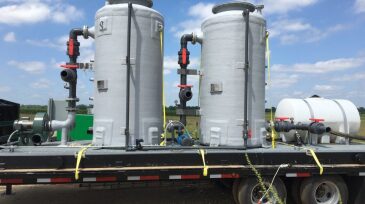
 Biological-based emissions control has promising advantages such as the potential for a low carbon footprint, low secondary pollutants such as NOx and SOx, lower energy demands, and lower cost.
 -
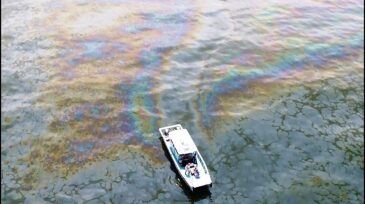
An oil spill that has been quietly leaking millions of barrels into the Gulf of Mexico has gone unplugged for so long that it now verges on becoming one of the worst offshore disasters in US history.
-
Proposed changes would modify EPA's August 2016 final rule, "Oil and Natural Gas Sector: Emission Standards for New, Reconstructed, and Modified Sources." The proposal has been submitted for publication to the Federal Register. Following that publication, the EPA will accept comments for 60 days.
-
The 1972 Clean Water Act has driven significant improvements in US water quality, according to the first comprehensive study of water pollution over the past several decades by researchers at UC Berkeley and Iowa State University.
-
Bob Dudley, the chief executive of BP, took charge of the London-based company when it was struggling to survive after the 2010 explosion of the Deepwater Horizon oil rig in the Gulf of Mexico. Dudley recently talked about the oil industry, climate change pressures, and technology.
-
Stanford researchers have mapped local susceptibility to man-made earthquakes in Oklahoma and Kansas. The new model incorporates physical properties of the Earth’s subsurface and forecasts a decline in potentially damaging shaking through 2020.
-
2019 SPE President Sami Alnuaim will spend the next year forging new relationships to promote the industry’s role in addressing environmental issues.
-
This article explores what is known and not known about the environmental risks of hydraulic fracturing with the intent of fostering informed discussions within the geoscience community on the topic of hydraulic fracturing.
-
The emissions intensity of upstream Canadian oil sands production will continue to decline in coming years, falling to 30% below 2009 levels by 2030, a new report by business information provider IHS Markit says.
-
When methane is found in water wells near an unconventional well, fingers point to facturing as the liklely suspect. But a study of wells in the Utica Shale named other sources.