Environment

The Absheron gas field expansion will supply additional natural gas to Azerbaijan’s domestic market and support its export commitments to Turkey, allowing Baku to stay focused on meeting its gas export obligations to Europe.

With millions of wells having been drilled in the US since the beginning of the oil age, the land is pocked with old, unused wellbores. For most, repurposing is a pipe dream. Plugging is the best option.

This guest editorial examines how the most commonly used and cited methane emissions metric can create a misleading picture of upstream gas-handling performance for both the public and industry professionals.
-
 Environmental Protection Agency Administrator Scott Pruitt said in his first testimony before Congress on 7 December that he plans to replace the Obama-era Clean Power Plan, instead of just killing it outright.
 -
Between 2005 and 2015, energy-related carbon dioxide emissions decreased in 43 states (including the District of Columbia) and increased in 8 states. On a per capita basis, energy-related carbon dioxide emissions decreased in 49 states (including the District of Columbia) and increased in 2 states.
-
Between 2009 and 2016, SPE facilitated a series of global sessions to develop ideas for the future advancement of health, safety, and the environment in the industry. The result is the technical report “Getting to Zero and Beyond: The Path Forward.”
-
BP, Eni, ExxonMobil, Repsol, Shell, Statoil, Total, and Wintershall committed to further reduce methane emissions from the natural gas assets they operate around the world.
-
One of the big stumbling blocks when it comes to properly handling North Dakota’s substantial tonnage of radioactive wastes has been the time it takes for an accurate test of how much Radium 226 and 228 are present in a given load of the material.
-
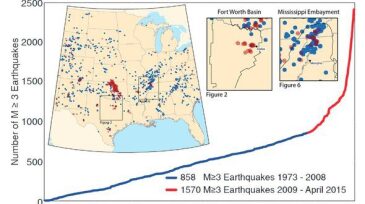
For 300 million years faults showed no activity, and then wastewater injections from oil and gas wells came along.
-
Safety barriers need to be implemented in an integrated and consistent manner in order to minimize risk, and technical, organizational, and operational aspects of the barriers need to be considered.
-
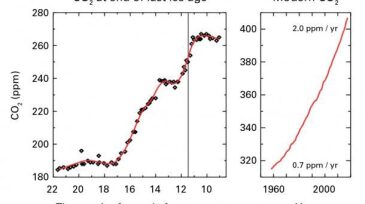
Concentrations of carbon dioxide in the atmosphere surged at a record-breaking speed in 2016 to the highest level in 800,000 years, according to the World Meteorological Organization's Greenhouse Gas Bulletin. The abrupt changes in the atmosphere witnessed in the past 70 years are without precedent.
-
The Oil and Gas Climate Initiative (OGCI) announced on 27 October its first three investments, moving forward the organization’s commitments into concrete action to spur the growth of promising low-carbon technologies.
-
Some companies transporting certain petroleum-based products in British Columbia will have to comply with new spill preparedness and response requirements, after amendments made to the Environmental Management Act (EMA) came into force on 30 October.