Environment
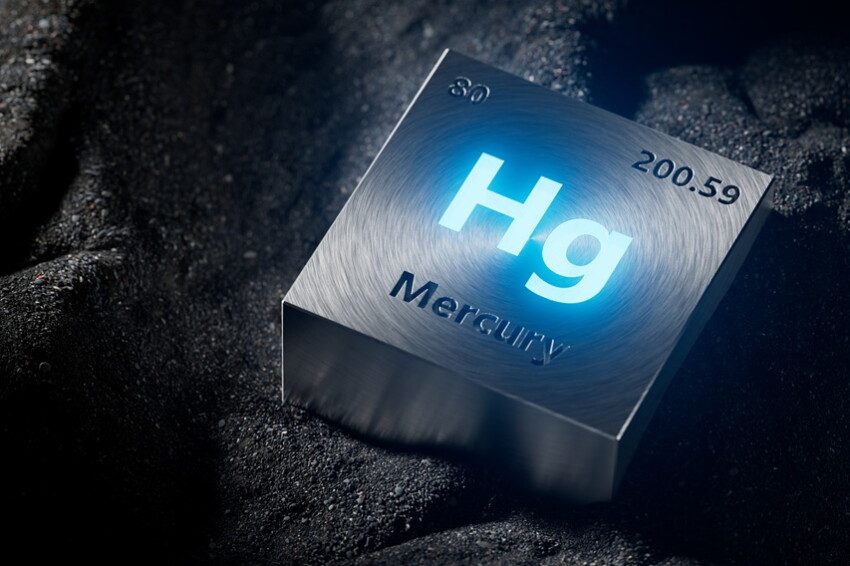
A laboratory research study evaluates several different chemical injection concepts for the removal of elemental mercury from multiphase flow.

Experts and industry leaders gathered in The Woodlands, Texas, recently to sift through the challenges of carbon capture, utilization, and storage. The puzzle is coming together, but some critical pieces are still needed before the results look like the picture on the box.

This article from the SPE Sustainable Development Technical Section (SDTS) explores how the next phase of methane performance will be defined less by pledges and more by measurement, response, and verifiable results.
-
 In November, ExxonMobil signed a commitment with several companies aimed at reducing methane emissions. That agreement built off earlier efforts the company had announced to enhance voluntary methane reduction.
 -
The British Columbia government is moving forward with the second phase of spill regulations, announcing further stakeholder engagement on important elements such as spill response in sensitive areas and geographic response plans.
-
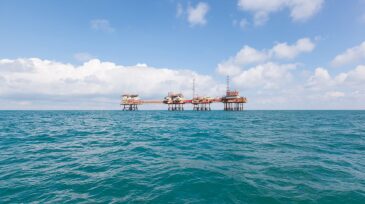
Platform that once tested the limits of deep water will play new role closer to Louisiana coast.
-
A professor who the EPA charged with reviewing its 2016 study on hydraulic fracturing’s possible drinking water impacts shared her observations on the flawed process that led to the agency’s final conclusion.
-
North Sea oil and gas production was up but greenhouse gas emissions in 2016 were down against 2015 performance, according to Oil & Gas UK’s Environment Report.
-
At the State Council on 17 January, Ola Elvestuen was appointed as minister of climate and environment. Elvestuen is a member of parliament and represents Oslo. He was first elected to parliament in 2013 and has been deputy leader of the Liberal Party since 2008.
-
A US-government-sponsored program is putting new methane leak detection systems to the test with a goal of achieving functionality costs of $3,000/year/wellsite while hitting stringent performance criteria.
-
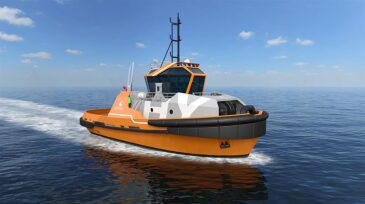
Wärtsilä plans to develop a harbor tug design to maximize ecological operational sustainability to be used a new port facility being built in the Brazilian city of São Mateus, which will have environmental demands among the most stringent in the world.
-
Belize, home of the largest barrier reef in the western hemisphere, has permanently suspended oil operations in its ocean waters.
-
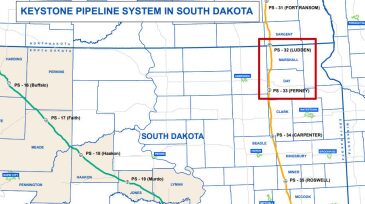
Weights used in the original construction of TransCanada’s Keystone Pipeline in South Dakota were identified as a preliminary cause of the failure that resulted in a 210,000-gal spill in November.