Environment

With millions of wells having been drilled in the US since the beginning of the oil age, the land is pocked with old, unused wellbores. For most, repurposing is a pipe dream. Plugging is the best option.

This guest editorial examines how the most commonly used and cited methane emissions metric can create a misleading picture of upstream gas-handling performance for both the public and industry professionals.

Spain has granted permits covering a swath of the mountain range to Mantle8 for natural hydrogen and helium exploration a month after France granted the company similar permits.
-
 The partnership aims to speed up the decarbonization of seven global industries representing 30% of global emissions, which include steel, trucking, shipping, chemicals, cement, aluminum, and aviation.
 -
DNV GL awarded Heerema Marine Contractors Statements of Feasibility for two concepts designed to reduce the noise of offshore structure installation.
-
Just a few weeks after the Colorado Oil and Gas Conservation Commission's final approval of a statewide 2,000-ft setback between new wells and some buildings, Boulder County commissioners have adopted even stricter requirements.
-
Brian Sullivan, the executive director of IPIECA, the global oil and gas industry association for advancing environmental and social performance, lays out the organization’s plans to adapt to a changing world while supporting the energy transition and sustainable development.
-
Some of the world’s largest oil companies are hoping to convince the US Supreme Court to decide whether they should be held liable for climate change.
-
Texas’s main oil regulator has been prohibited from waiving environmental rules and fees, measures adopted to help drillers cope with the pandemic-driven slump in crude prices.
-
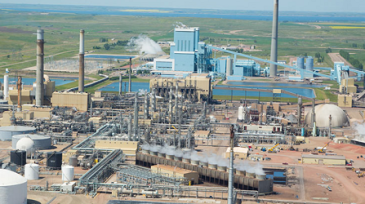
The Great Plains Synfuels Plant in North Dakota has now captured 40 million metric tons of carbon dioxide, a milestone in the synthetic natural gas production facilities’ 20-year effort to lower the impacts of energy production.
-
This paper presents a novel matrix to identify environmental and social elements relevant for the development of oil and gas projects. It also proposes a useful traffic light and multivariate analysis methods for the evaluation of these elements.
-
A system was designed to extend the offshore wind-energy concept from the power grid to a subsea field-development application. The system integrates a floating foundation with a wind-turbine generator, with all the required utilities hosted directly onboard the same floater.
-
The practice of burning off natural gas is relatively rare in Colorado, but tough rules on flaring and venting may help the state meet greenhouse gas reduction goals.