Environment

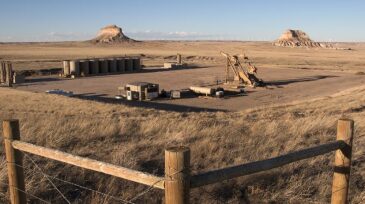
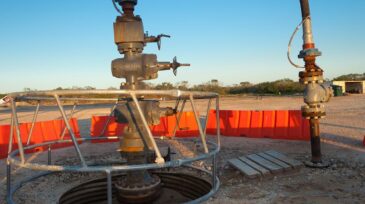
With millions of wells having been drilled in the US since the beginning of the oil age, the land is pocked with old, unused wellbores. For most, repurposing is a pipe dream. Plugging is the best option.

This guest editorial examines how the most commonly used and cited methane emissions metric can create a misleading picture of upstream gas-handling performance for both the public and industry professionals.

Spain has granted permits covering a swath of the mountain range to Mantle8 for natural hydrogen and helium exploration a month after France granted the company similar permits.
-
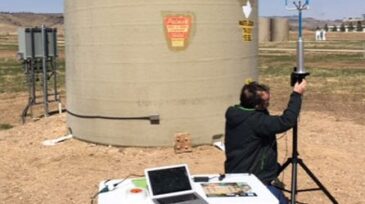
 This paper presents a ubiquitous sensing network that has been developed, tested, and piloted at several oil and gas facilities as well as at an in-house simulated well site. The system integrates wireless methane sensor nodes, weather sensors, and other edge devices for autonomous operation.
 -
Oil and gas producers in the state are being asked to submit data and economic analysis on why they cannot sell natural gas before they are granted permission to flare it.
-
Commissioners approved a revamped form that will be used by oil and gas operators to apply for an exception to flare gas during oil and gas operations. The form provides specific guidance on when an exception to flare would be permissible, under which circumstances, and for how long.
-
The EPA and Interior Department under President-elect Joe Biden will have a range of tools at their disposal to start undoing President Donald Trump’s deregulatory agenda on the environment, according to former agency officials, lawyers, and environmentalists.
-
A new study confirms the success of a natural-gas leak-detection tool pioneered by Los Alamos National Laboratory scientists that uses sensors and machine learning to locate leak points at oil and gas fields, promising new automatic, affordable sampling across a vast natural gas infrastructure.
-
After a 3-year delay, the US has become the first nation in the world to formally withdraw from the Paris climate agreement.
-
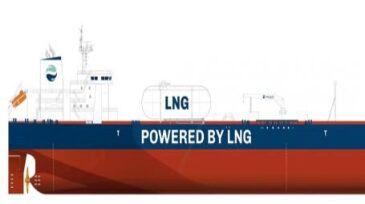
The charter agreement for the LNG-propulsion vessels is in line with Total’s Climate Ambition and will cut down on several emissions.
-
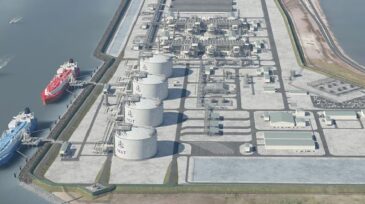
Engie’s delayed supply contract with NextDecade’s Rio Grande LNG project is for 20 years. FID on the project is expected in 2021.
-
IPIECA, the global oil and gas industry association for advancing environmental and social performance, has scheduled a virtual workshop for 2 November to look at methane science, regulations, voluntary initiatives, and global expectations.
-
Primarily used in a few US states, waste-slurry-injection technology could help operators reduce cost, while also potentially reducing their carbon footprint. But the process may still present technical and environmental challenges.