Environment

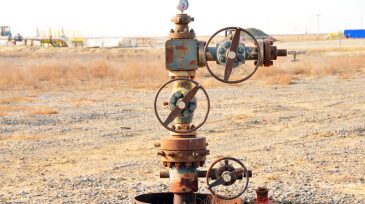
With millions of wells having been drilled in the US since the beginning of the oil age, the land is pocked with old, unused wellbores. For most, repurposing is a pipe dream. Plugging is the best option.

This guest editorial examines how the most commonly used and cited methane emissions metric can create a misleading picture of upstream gas-handling performance for both the public and industry professionals.

Spain has granted permits covering a swath of the mountain range to Mantle8 for natural hydrogen and helium exploration a month after France granted the company similar permits.
-
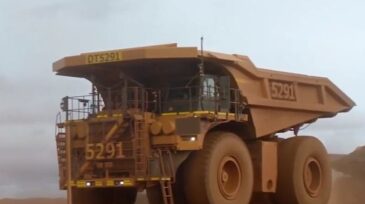
 BHP announced a 5-year, $400-million Climate Investment Program to develop technologies to reduce emissions from its operations as well as those generated from the use of its resources.
 -
In June 2016, GHGSat launched the world’s first satellite capable of measuring greenhouse-gas emissions from targeted industrial facilities around the world. This paper describes the system, including sensor and satellite specifications.
-
Sending atmospheric carbon dioxide into underground methane hydrates could clean the air and create revenue.
-
The acquisition will add to the group’s offerings aimed at environmental impact assessments and project approvals.
-
Among other things, Bill C-69 has replaced the Canadian Environmental Assessment Act, 2012, with an Impact Assessment Act, replaced the National Energy Board Act with a Canadian Energy Regulator Act, and made changes to the Navigation Protection Act.
-
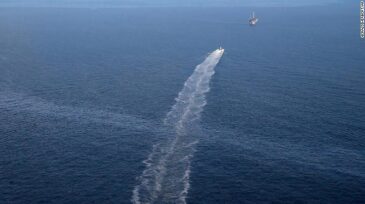
A new federal study estimates that, each day, about 380 to 4,500 gal of oil are flowing at the site where a company's oil platform was damaged after a hurricane. That's about a hundred to a thousand times worse than the company's initial estimate.
-
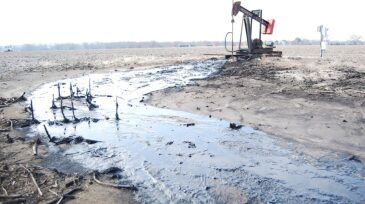
The number of deserted oil and gas wells in Kansas blossomed during the past 5 years to 22,000. A Kansas Corporation Commission annual report revealed a fund created in 1996 to finance plugging of wells to be inadequate if the objective was to keep pace with demand for plugging.
-
A new regulation includes provisions related to the timely abandonment of "dormant sites," a new site classification that refers to inactive wellsites operated by solvent companies.
-
Funded by a €10.6 million grant from the European Union’s Horizon 2020 program, the ambitious project will, for the first time, undertake an oceanwide approach to understanding the factors that control the distribution, stability, and vulnerability of deep-sea ecosystems.
-
The oil industry is investigating carbon capture and sequestration projects after Congress passed expanded tax credits last year. But questions linger about how much industry investments will actually lower greenhouse gases.