Environment

With millions of wells having been drilled in the US since the beginning of the oil age, the land is pocked with old, unused wellbores. For most, repurposing is a pipe dream. Plugging is the best option.

This guest editorial examines how the most commonly used and cited methane emissions metric can create a misleading picture of upstream gas-handling performance for both the public and industry professionals.

Spain has granted permits covering a swath of the mountain range to Mantle8 for natural hydrogen and helium exploration a month after France granted the company similar permits.
-
 After years of negotiations, the province announced that it had reached a preliminary agreement with the federal government that it calls a “major step toward providing Alberta’s oil and gas industry a single set of strong rules to reduce methane emissions and protect the environment.”
 -
US energy-related carbon dioxide emissions declined by 2.8% in 2019 to 5,130 million metric tons, according to data in the US Energy Information Administration’s Monthly Energy Review. Carbon dioxide emissions had increased by 2.9% in 2018, the only annual increase in the past 5 years.
-
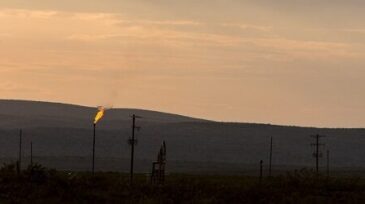
Video shows a substantial share of oil and gas flares are unlit or faulty, revealing a previously overlooked methane source that could turn out to be one of the region’s biggest.
-
The French oil and gas major announced that it plans to achieve net-zero emissions by 2050 for its global business across production and including energy products used by its customers.
-
A 3-year study of air quality, soils, groundwater, and waterways found few to no effects as a result of hydraulic fracturing operations in Surat Basin coal seam formations.
-
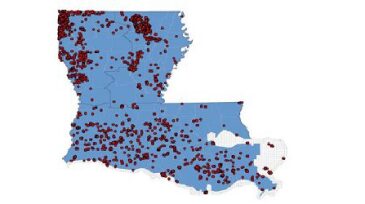
The Louisiana agency overseeing oil and gas drilling has seen a 50% increase in orphaned wells the state must pay to plug because they’ve been abandoned by their operators, according to a new audit by the Louisiana Legislative Auditor’s Office.
-
Enough gas to supply 7 million homes is leaking into the atmosphere above oil fields in Texas and New Mexico, the largest plume of climate-change-driving methane pollution ever recorded over a US oil field, a new study from Harvard University and Environmental Defense Fund shows.
-
Earth Day this year, 22 April, marked 50 years of raising global awareness for the challenges faced by the planet and the life it supports. IPIECA, the oil and gas industry association for advancing environmental and social performance, has been addressing climate issues for more than 30 years.
-
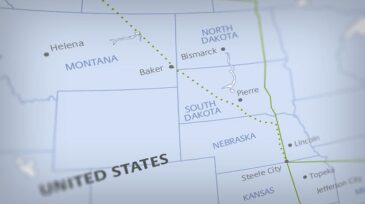
The court ruling comes less than a month after TC Energy announced plans to proceed with construction of the Keystone Pipeline.
-
On 20 April 2010, a blowout on the Deepwater Horizon, drilling at the Macondo prospect in the Gulf of Mexico, killed 11 crew and caused a major oil spill. The accident and spill forever changed the industry.