Field/project development

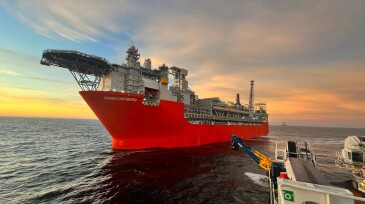
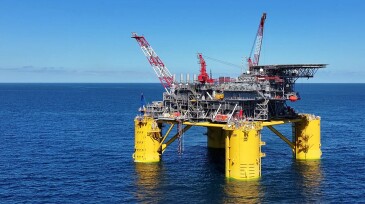
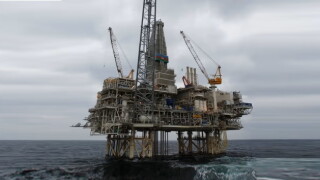
Thanks to stepout-well and tieback technologies, Shell’s Mars platform is the first single offshore platform in the US Gulf to produce 1 billion bbl of crude over its lifetime with production expected to continue into the 2040s.
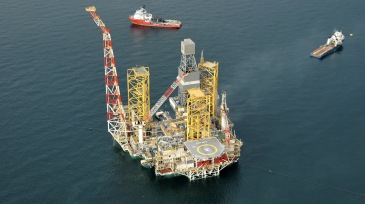
BP said it expects to keep the Azeri-Chirag-Gunashli (ACG) project in production into the 2040s by tapping into separate nonassociated gas reservoirs.

INEOS Energy and Shell have partnered to invest in Gulf of Mexico exploration, while Eni reported strong productivity from its Geliga 1 discovery in Indonesia. Santos is advancing its Agogo project in Papua New Guinea, and ConocoPhillips received approval to redevelop several previously producing oil fields in Norway’s Greater Ekofisk Area.
-
 Less than 3 months after going onstream, the Barents Sea project, the northernmost production offshore Norway, is producing 220,000 B/D.
 -
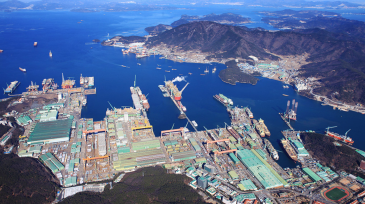
While militant attacks halted construction at Mozambique’s onshore megaprojects, Eni began LNG exports using a floating production strategy, which now serves as the foundation for its ongoing development.
-
Japan’s largest power generator is focused on sourcing Haynesville natural gas production for Gulf Coast export as LNG.
-
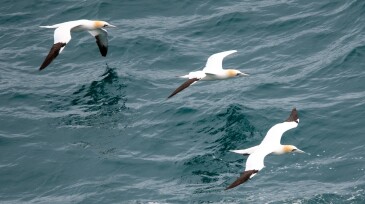
Buoy-based camera footage, analyzed by artificial intelligence, can help reduce the risk of birds colliding with offshore wind farm turbines.
-
Over a dozen new projects aim to keep US offshore output near 1.8 million B/D through next year.
-
The $2.9 billion Shah Deniz Compression project, expected online in 2029, will enable additional production of around 50 Bcm of gas and 25 million bbl of condensate.
-
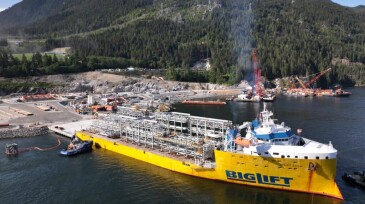
Project expects a total of 19 additional modules to arrive on site during 2025.
-
This paper discusses the effect of injected-polymer viscosity on various aspects of a project, from recovery to surface facilities, including both theoretical arguments and practical field experience—which do not always align.
-
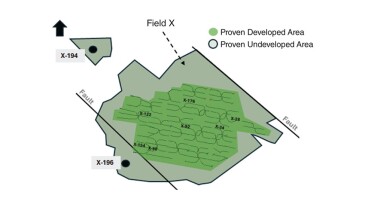
This study leverages oil-fingerprinting technology and geochemical data to evaluate the fluid connectivity between a main field and its stepout wells.
-
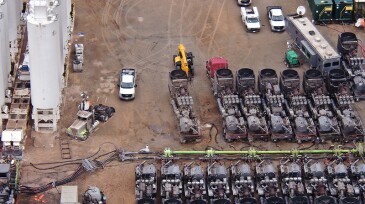
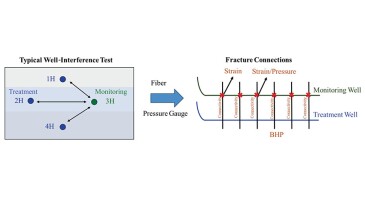
This work proposes a method to interpret far-field strain-change and pressure data to quantify fracture connectivity and properties at the cluster level.