Field/project development
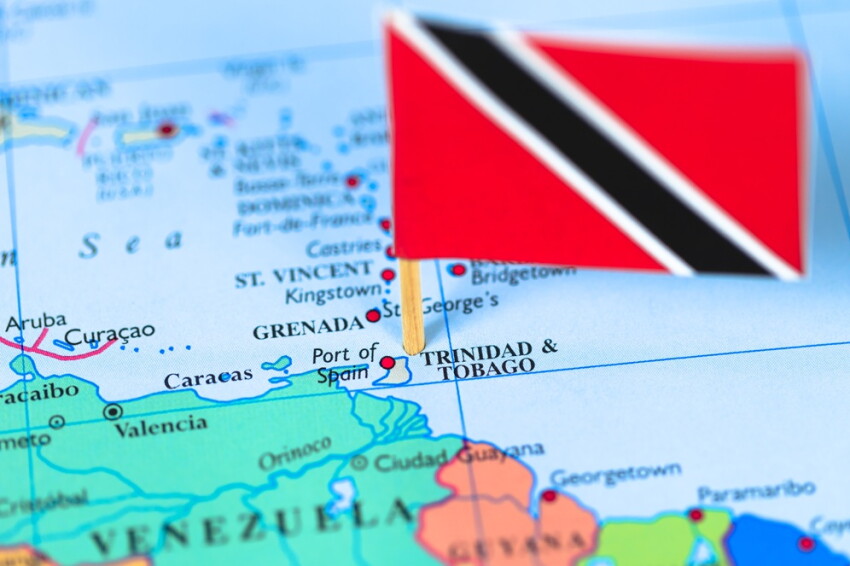
While discussions on the commercial terms for gas sales continue, the release of the jackup rig intended to drill production wells calls into question Shell’s plans for first gas in 2027.

As Egypt’s largest oil and gas investor, Eni is ramping up its 2026–2027 drilling campaign with new investments cross the Mediterranean offshore, Nile Delta, Western Desert, and offshore Sinai to strengthen the country’s role as a regional gas and LNG export hub.

This paper presents a case study from a mature field redevelopment project where pulsed neutron logging was integrated with advanced reservoir modeling to improve the understanding of fluid-contact dynamics and optimize new horizontal well placement.
-
 Updates about global exploration and production activities and developments.
 -
This month’s papers highlight new combinations of technologies, along with workflows automated in innovative ways, deployed to ensure precise measurement, accurate forecasting, and environmentally conscious operations.
-
This paper describes a novel 6.75-in. logging-while-drilling geochemical tool developed for accurate lithology, mineralogy, well-placement, and geosteering applications in complex reservoirs.
-
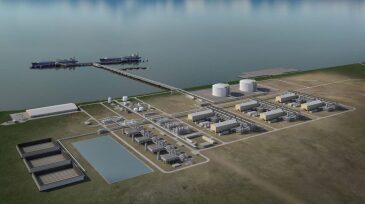
A series of major advances will move Phase One of the Alaska LNG Project from the development phase into execution.
-
The expansion project by QatarEnergy is expected to increase LNG production capacity to 142 mtpa when it goes online.
-
The Nasr-115 expansion project, within ADNOC’s larger Ghasha concession, is part of a development aimed at increasing capacity to 115,000 BOPD by 2027.
-
Woodside’s $12-billion gas project offshore Western Australia is expected to produce up to 8 mtpa once it’s complete.
-
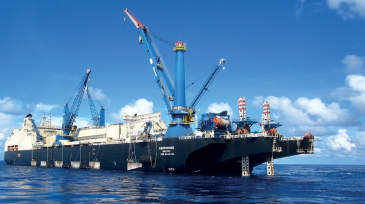
Engineering, procurement, construction, and installation awards made at the end of 2025 are expanding Saipem’s role in Turkey’s two largest offshore gas fields, plus Saudi Arabia’s Berri, Abu Safah, and Marjan oil fields and Qatar’s North Field gas giant in the Persian Gulf.
-
The platform brings the field’s installed production capacity to 1.5 million BOPD.
-
This paper describes an auto-adaptive workflow that leverages a complex interplay between machine learning, physics of fluid flow, and a gradient-free algorithm to enhance the solution of well-placement problems.