HSE & Sustainability

SPE Journal is seeking submissions for a special issue on sustainable enhanced oil recovery (EOR), highlighting innovations that boost oil recovery while reducing CO2 emissions and environmental impact. The Call for Papers opens on 15 October 2026.

This paper identifies opportunities and risks associated with repurposing an offshore oil and gas platform for green hydrogen production. Various technical scenarios were investigated for the case study platform, and their profitability was determined using economic calculations. In addition, all the submodels were compared with standard decommissioning costs for reco…

This paper presents a flexible, highly cost- and energy-efficient method of gas separation and CO₂ capture from many different gas mixtures with a large range of CO₂ concentrations.
-
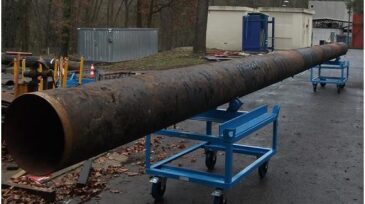
 Fiber optics are considered one of the more promising direct leak-detection technologies. The fiber core normally used for telecommunication can be converted as a sensor using the principle of light backscattering within the fiber.
 -
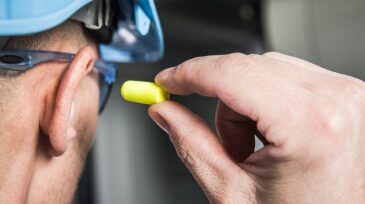
Hearing loss is prevalent in workers in the mining and oil and gas extraction sectors. Approximately 61% of workers in mining and oil and gas extraction have been exposed to hazardous noise levels on the job, according to a study published in the American Journal of Industrial Medicine.
-
BP announced that it will deploy continuous measurement of methane emissions in its future BP-operated oil and gas processing projects as part of its ambitious program to detect, measure, and reduce methane emissions.
-
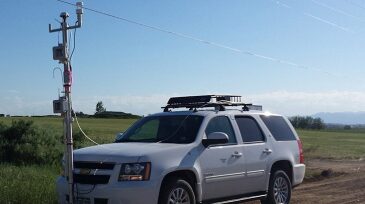
Mobile plume tracking, led by Colorado State University air pollution experts, is a key technology in the city of Broomfield’s ongoing Air Quality Testing Program. And it’s just one aspect of a 3-year, $1.7 million contract awarded by Broomfield last year.
-
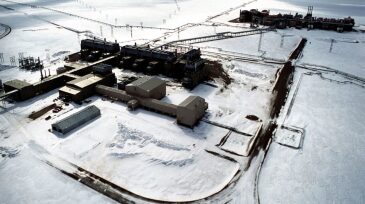
Snow depths on Alaska’s North Slope have thinned this year, the University of Alaska Fairbanks said in a study, creating a possible obstacle for exploration in part of the Arctic National Wildlife Refuge thought to harbor more than 7 billion bbl of oil.
-
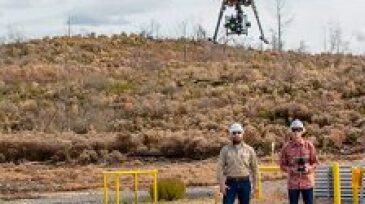
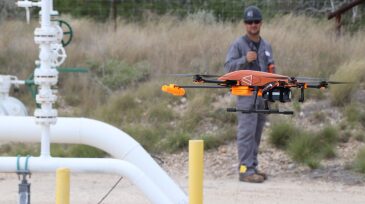
The pilot used sensor technology originally deployed by NASA for the Mars Curiosity Rover to collect methane emissions data live-streamed from a drone. BP said it plans to deploy the technology to all of its North Sea assets, including ETAP and Glen Lyon, in 2020.
-
Equinor Technology Ventures and OGCI Climate Investments have agreed to back the tech developer, which integrates its SeekIR miniature gas sensors onto drones to detect, localize, and quantify carbon emissions.
-
Equinor is working on a natural language processing tool that could combine data sources and help planners anticipate the issues that affect onsite operational safety.
-
Commissioners adopt 1,000-ft residential setback rules, double the state’s mandate, as part of a package of measures passed after 5 hours of public comment.
-
The UK’s leading oil and gas industry body says the industry can reduce emissions while meeting the region’s energy demand.