HSE & Sustainability

This paper presents a flexible, highly cost- and energy-efficient method of gas separation and CO₂ capture from many different gas mixtures with a large range of CO₂ concentrations.

This study explores the carbon-capture and mineralization potential of ultramafic rock powders when exposed to flue gases generated from combustion of crude oil and mesquite-derived charcoal.

This paper presents an approach for safe, efficient, and cost-effective legacy well reabandonment.
-
 BP’s 2024 Energy Outlook warns delayed decarbonization efforts will result in costly and disorderly energy transition.
 -
VR provides an immersive and cost-effective approach to essential oilfield training.
-
SponsoredTAQA bears the burden of reducing carbon emissions from the fossil fuel energy cycle and pays its undivided attention to decarbonizing its operations. In this article, it sheds light on its initiatives and approach to decarbonizing the oil and gas exploration and production industry.
-
Government grants and tax incentives will drive carbon capture, storage, and/or utilization projects in the next decade as the industry seeks profitable business model.
-
The ruling said the US Department of Energy must resume reviewing permits for domestic LNG export projects.
-
Houston-based enhanced geothermal systems pioneer uses fracturing and other oil and gas technologies to stabilize power grids with zero-carbon renewable energy that doesn’t depend on the weather.
-
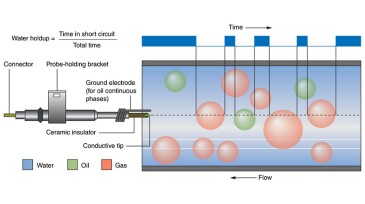
This study describes a technique combining borehole acoustic reflection imaging with production logging in a horizontal well experiencing high water cut with the aim of enabling a mitigation plan.
-
This paper proposes two new methods of accelerating the solidification (or mineralization) of CO2 in subsurface conditions, thus accelerating the cycle of the CO2 storage process.
-
The aim of this study is to address and discuss the reservoir engineering aspects of geological hydrogen storage.
-
This paper examines the shortfalls of current CO2 capture and storage measures and their future within the context of increasing global consumption of fossil fuels.