HSE & Sustainability

This paper presents a flexible, highly cost- and energy-efficient method of gas separation and CO₂ capture from many different gas mixtures with a large range of CO₂ concentrations.

This paper presents an approach for safe, efficient, and cost-effective legacy well reabandonment.

The solvent-based technology involves a modular treatment process that uses a proprietary catalyst designed to safely and sustainably remove hydrogen sulfide (H₂S) from sour gas streams using either produced water or an alkaline water as the treating media.
-
 This paper aims to demonstrate the need for competency in a social performance skill group to support companies in human rights management.
 -
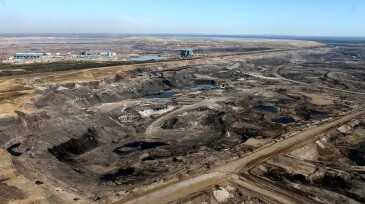
An innovative aircraft-based technique recorded carbon emissions not tracked before from the industrial region.
-
Fracturing companies can’t connect to the electric grid fast enough as they seek to reduce emissions, save costs.
-
Republicans have been raising concerns for weeks about a possible administration clampdown on natural gas exports. Now that it’s official, expect the congressional pushback to intensify.
-
The Bureau of Land Management has released its final Eastern Colorado Resource Management Plan, which keeps most acres open to oil and gas leasing.
-
Edge computing is propelling computer vision into a new era, catalyzing the development of smart devices, intelligent systems, and immersive experiences.
-
The contractor will be responsible for both pipeline and platform installation related to Petronas’ ambitious CCS project offshore Sarawak.
-
Offshore oil and gas companies should expect continued scrutiny of their health and safety practices in 2024 despite a recent report suggesting that the industry has never been safer to work in, experts say.
-
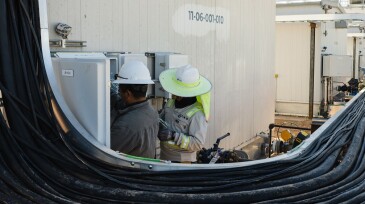
As industries, including the oil and gas industry, strive to enhance worker safety, more advanced and protective modern head protection, safety helmets, are replacing traditional hard hats.
-
As the industry navigates a transition to more sustainable practices, environment, social, and governance principles serve as a compass for aligning business operations with the broader expectations of society and the investment community.