HSE & Sustainability

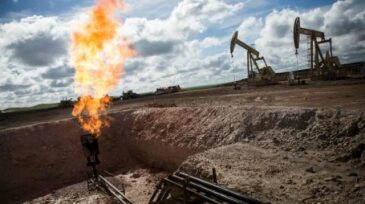
The 2025 report confirms for the second year that the Appalachian Basin has the lowest methane intensity of any major oil and gas basin in the US.

The North Sea Transition Authority has advanced the UK’s plans for carbon storage by approving the drilling of a proposed appraisal well off the coast of Teesside.

Smart Seismic Solutions plans to use 50,000 nodes to examine storage potential for the Greenstore CCS project.
-
 This paper analyses the Global Biodiversity Framework and its relevance to the transitioning energy system, documenting the work that has been completed and that which is still ongoing.
 -
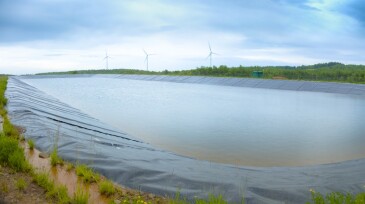
The agency said it wants to modernize the rules and expand the potential uses for produced water.
-
As part of a subnational climate coalition, the state is moving forward with a satellite data project to track methane emissions.
-
The new look at the plan involves considerations for national security.
-
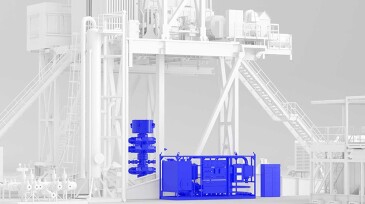
The technology, which uses Industrial Internet of Things components, aims to reduce the costs and improve the safety of drilling operations.
-
The agreement aims to bring the efforts of both companies together to advance digital-enabled carbon-free floating power generation.
-
The move by the US Congress and the White House is part of a broader effort to overturn the Inflation Reduction Act passed in 2022.
-
Industry leaders say they believe oil and gas will continue to play a pivotal role in the energy mix in the lengthening energy transition timeline.
-
A recent survey by consultancy firm Bain & Company found that, despite record clean-energy investments, executives cited financial constraints, shareholder hesitancy, and policy uncertainty as key obstacles to reaching net-zero carbon emissions.
-
This paper describes how a global energy technology company developed a mental health first aid program to provide workplace access to a trained mental health responder and how this initiative helps raise awareness of the importance of good mental health in the workplace.