HSE & Sustainability
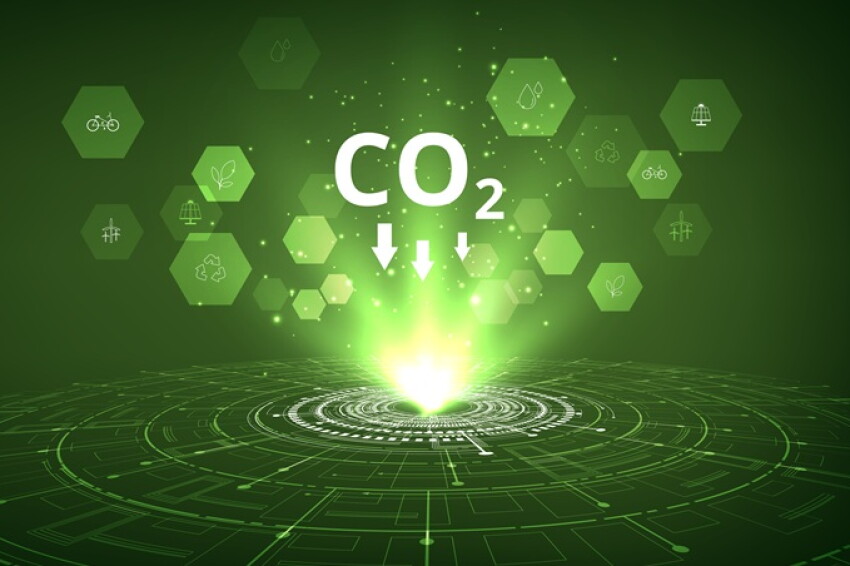
The Pawnee Carbon Sequestration Project, which would use a repurposed well, is planned to capture and store up to 400,000 tonnes of carbon dioxide, with first injection targeted for early 2027.

DNV notes that energy and industrial process-related carbon emissions will have dropped by 2050 by only 44% from today’s level, not even halfway to the net-zero pledge envisioned by the Paris climate agreement.

SPE's new Asset Integrity Technical Section brings together industry experts to advance best practices in reliability engineering, asset integrity, risk reduction, and infrastructure performance. The global community will focus on the safe, reliable, and sustainable operation of energy assets across both traditional and emerging energy sectors.
-
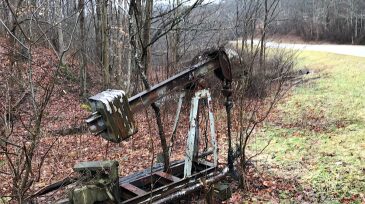
 Airborne drones with magnetometers have worked well in trials and are ready for more widespread use, potentially revealing thousands of previously unknown wells.
-
The second edition of the guidance reflects IPIECA members’ experiences of implementing human rights due diligence and includes a new chapter on human rights and the energy transition.
-
The roadmap presented by the International Energy Agency requires extreme measures that could be career changing for petroleum engineers.
-
A recent symposium focused on acquisitions and divestitures held by SPE’s Gulf Coast Section offered a face-to-face look at the state of oil and gas investing.
-
The EU sees the tightening requirements for gas investments, along with the cancellation of planned gas projects, as being in favor of renewables.
-
No single silver bullet exists to wipe out methane emissions generated by upstream oil and gas activities. Experts at a recent forum discussed an array of technologies and strategies to help the industry make smart decisions to measure, monitor, and mitigate emissions of the potent greenhouse gas.
-
Geoscientist Emer Caslin had watched the topics of sustainability and the climate crisis creep in to her work life over the years. Recently, driven by a life-long passion, she took a step back from her career to focus on sustainability, particularly in the oil and gas industry. In this column, which was first presented by Schlumberger, she shares what she learned.
-
SeaScope combines remote-sensing science, Earth-observation data, machine learning, and high-performance computing to provide information on sea-surface slicks for industries to strengthen situational awareness of the interaction between offshore assets, coastal facilities, local vessel activity, and the natural marine environment.
-
This paper describes diversity and inclusion in its broadest sense and its benefits and challenges within the context of the oil and gas industry, in particular with regard to petroleum engineering and subsurface teams.
-
The duo plans to launch projects that will lead to commercialization of applications and products, initially focusing on solid oxide fuel cell technology and lightweight gas-turbine technology.