HSE & Sustainability
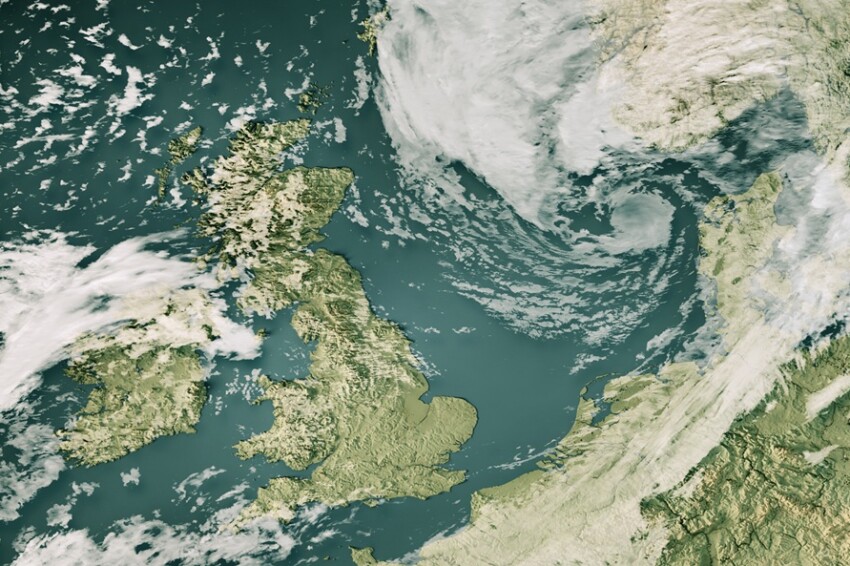
The North Sea Transition Authority said it expects interest in carbon storage to grow after UK’s second licensing round.

Propelling a proposed CCS project from the drawing board to first carbon storage requires overcoming several hurdles.

The 2025 report confirms for the second year that the Appalachian Basin has the lowest methane intensity of any major oil and gas basin in the US.
-
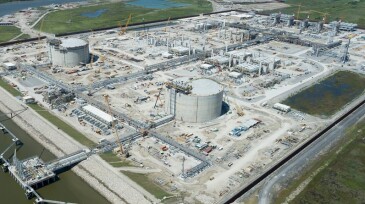
 Republicans have been raising concerns for weeks about a possible administration clampdown on natural gas exports. Now that it’s official, expect the congressional pushback to intensify.
 -
The Bureau of Land Management has released its final Eastern Colorado Resource Management Plan, which keeps most acres open to oil and gas leasing.
-
Edge computing is propelling computer vision into a new era, catalyzing the development of smart devices, intelligent systems, and immersive experiences.
-
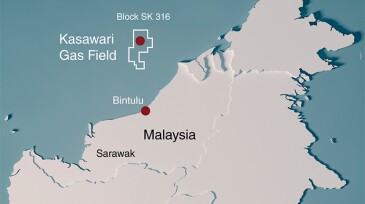
The contractor will be responsible for both pipeline and platform installation related to Petronas’ ambitious CCS project offshore Sarawak.
-
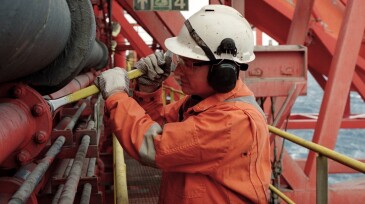
Offshore oil and gas companies should expect continued scrutiny of their health and safety practices in 2024 despite a recent report suggesting that the industry has never been safer to work in, experts say.
-
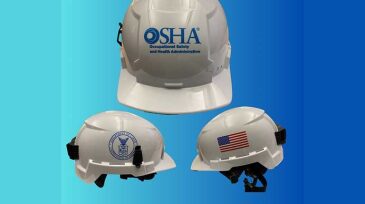
As industries, including the oil and gas industry, strive to enhance worker safety, more advanced and protective modern head protection, safety helmets, are replacing traditional hard hats.
-
As the industry navigates a transition to more sustainable practices, environment, social, and governance principles serve as a compass for aligning business operations with the broader expectations of society and the investment community.
-
Houthi attacks in the Red Sea threaten to raise prices of consumer goods in Europe.
-
Oil and gas is one of the most hazardous industries to work in. It is also an industry undergoing a revolutionary digital transformation. With changes come challenges and new opportunities. This paper looks at the top digital safety trends that are taking place within the industry.
-
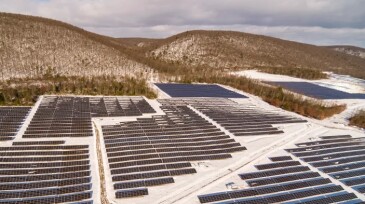
Solar and natural gas surged last year in the US, while wind stumbled.