HSE & Sustainability

Spain has granted permits covering a swath of the mountain range to Mantle8 for natural hydrogen and helium exploration a month after France granted the company similar permits.

Crude benchmarks spiked amid concerns that the US-Iran ceasefire is collapsing as commercial shipping comes under renewed attack.

This paper proposes a shift in the timing of risk modeling to much further back within the job life cycle, recognizing each function’s role in the mitigation of risk.
-
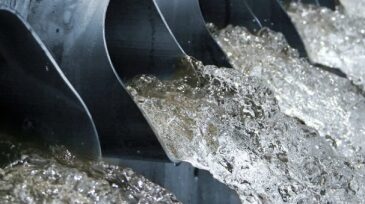
 In recent years, the participation of midstream water companies has changed the dynamics of water management.
 -
Remote sensing technologies can be applied for a wide range of gas-leak flow rates in three main cases—major leaks in crisis management, medium-size leaks in safety monitoring, and small leaks in environmental monitoring.
-
The organization said the new standard, which focuses on air safety and data protection, is the first step in a wider move to promote the use of drones within a framework of approved regulatory compliance.
-
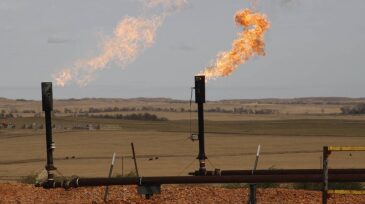
According to a new report from the EIA, the volume of natural gas reported as flared reached its highest average annual level in 2018, 1.28 Bcf/D. With production soaring in the Bakken, Permian, and Eagle Ford plays, North Dakota and Texas accounted for more than 80% of that total.
-
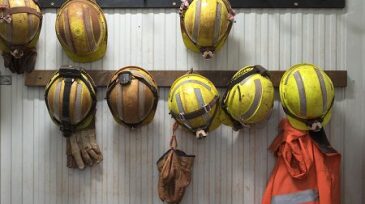
This year marks the 100th anniversary of the invention of the hard hat, one of the most recognizable pieces of safety equipment in the world.
-
The African Energy Chamber is pushing African OPEC and non-OPEC members to commit to a declaration of cooperation and work to ensure compliance.
-
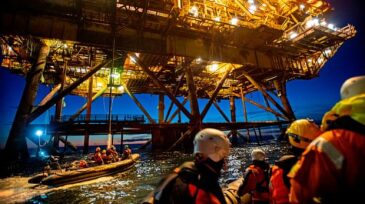
Greenpeace has been banned from carrying out climate protests on North Sea oil rigs after the oil giant Shell won a Scottish court order.
-
Pirates boarded a fully loaded supertanker off the coast of Nigeria, an act that is sure to ring alarm bells for insurers about the risk of collecting oil from Africa’s biggest producer.
-
Rapid scale-up of CCUS projects is critical to achieving net-zero carbon emissions by 2050.
-
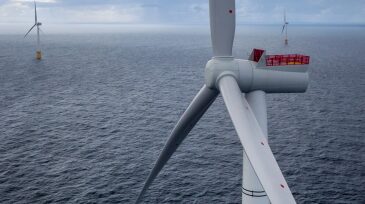
Offshore wind makes up less than 1% of the current energy mix, but analysts have it pegged as a potential trillion-dollar business in the near future. That growth presents an opportunity for operators to reduce costs and their carbon footprint through the electrification of their offshore platforms.