HSE & Sustainability

This article addresses the challenges of managing water-soluble organics (WSOs) in offshore produced water. It provides a brief discussion of the chemistry, along with strategies and technologies that can be used to manage WSO levels in produced water, thus facilitating compliance with regulatory overboard water-quality guidelines.

Spain has granted permits covering a swath of the mountain range to Mantle8 for natural hydrogen and helium exploration a month after France granted the company similar permits.

Crude benchmarks spiked amid concerns that the US-Iran ceasefire is collapsing as commercial shipping comes under renewed attack.
-
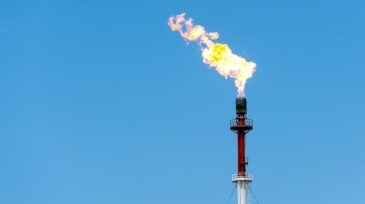
 The Alberta Energy Regulator has issued two draft directives that will require upstream oil and gas operators to reduce methane emissions from upstream oil and gas sites by 45% from 2014 levels by 2025.
 -
The Norwegian Petroleum Safety Authority has completed its investigation of a fatal accident on 7 December 2017 on the Maersk Interceptor, where one person was killed and another seriously injured. Several breaches of the regulations have been identified.
-
The US Environmental Protection Agency (EPA) is embarking on a new study that will take a holistic look at how the EPA, states, and stakeholders regulate and manage waste water from the oil and gas industry.
-
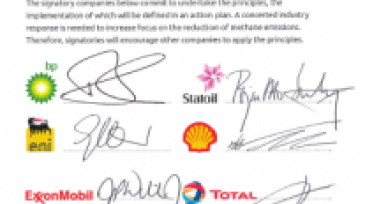
Three global energy industry associations have signed on to the Methane Guiding Principles to increase focus on reducing methane emissions across the natural gas value chain.
-
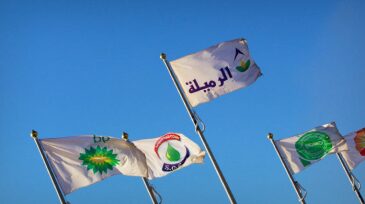
Forging an authentic and meaningful brand for major projects in complex and challenging regions is an under-rated tool for managing risk—but not at the Rumaila oilfield in Southern Iraq.
-
The Lloyd's Register Safety Accelerator is designed to bring together technology companies and industry to test innovative digital solutions to critical safety and risk challenges.
-
Figures from a 2017 study on trends in risk level in the petroleum activity show progress for a number of risk indicators. But serious personal injuries are growing, while feedback on the working environment, the HSE climate and perceived risk is moving in the wrong direction.
-
The Health and Safety Executive (HSE) has warned the UK’s offshore oil and gas operators that they must do more to tackle hydrocarbon releases in the North Sea after coming “perilously close to disaster” in recent years.
-
Unmanned aerial systems (UAS) are lightweight, low-cost aircraft platforms operated from the ground that can be outfitted with imaging or nonimaging payloads. UASs offer health, safety, and environment professionals a promising opportunity to reduce risks by keeping people out of harm’s way.
-
Association of Changes in Work Shifts and Shift Intensity With Change in Fatigue and Disturbed SleepThe aim of this study was to examine whether changes in work shifts and shift intensity are related to changes in difficulties falling asleep, fatigue, and sleep length.