HSE & Sustainability

LibertyStream has signed a feedstock agreement with Goodnight Midstream to support its first commercial lithium carbonate facility in North Dakota's Bakken, advancing plans to extract battery-grade lithium from produced water.

The transition away from materials that contain per- and polyfluoroalkyl substances (PFAS), co-called forever chemicals, creates an opportunity to preserve historical information. Information that appears to have little operational value today may later become important when organizations need to evaluate past PFAS use. Once that information is lost, recreating it may…

TotalEnergies signed off for 30% operated stakes in the Lang Lebah and B14 gas fields offshore Sarawak on the sidelines of ADIPEC in Abu Dhabi, while also highlighting methane-reduction partnerships in Angola, India, and Southeast Asia.
-
 This paper describes a polymer-injection pilot in the Chichimene heavy oil field in Colombia.
-
The road to a low-carbon world is paved with more than just shiny new facilities and the promise to deliver impressive CO₂ reductions from the atmosphere. Without the software to site, monitor, and maintain those facilities, the drive for net zero would be stuck in neutral.
-
The chair of the Texas Railroad Commission is defending her seat this November at a time when the state’s oil and gas industry is booming but the agency that regulates it is facing criticism over safety concerns.
-
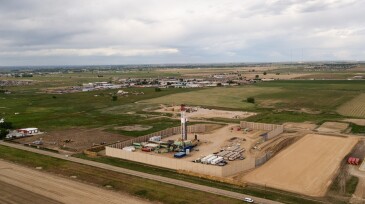
But no one appears really happy with the cumulative impact rules lauded by the Colorado Energy and Carbon Management Commission as “a big step forward.”
-
Consulting and engineering firm Wood is leading a joint industry partnership to create industry guidelines for carbon dioxide specifications to accelerate sustainable carbon capture, use, and storage projects.
-
The financial losses come from reduced productivity, high employee turnover, or the loss of skilled labor as a direct result of unmanaged mental health challenges.
-
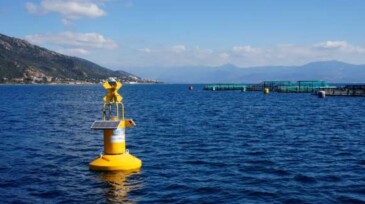
The presence of marine mammals during offshore infrastructure work is a major environmental concern. To safeguard species and their natural habitats, more and more local legislation imposes a cap on sound levels from offshore activities.
-
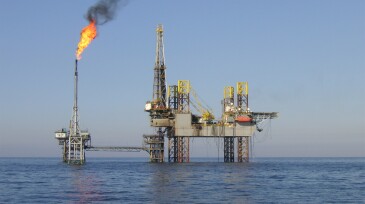
The increase in flaring emissions was led by operations in the Middle East, Africa, and Russia.
-
The $220-million carbon capture and storage project is one of the world's largest, with a nameplate injection capacity of 1.7 mtpa.
-
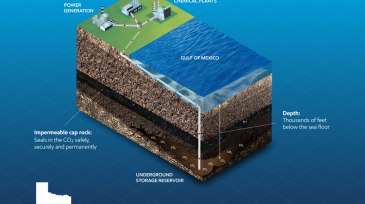
The agreement with state officials comes more than 3 years after the supermajor proposed building the world's largest carbon storage hub offshore the Houston area.