LNG

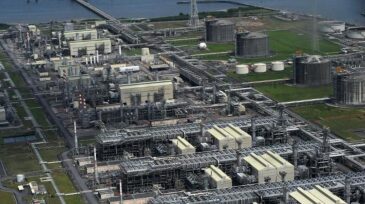
After a record year for LNG project approvals in 2025, multiyear repairs to war-damaged liquefaction facilities in Qatar and the UAE threaten to slow the growth of global LNG capacity.

The Coral Norte FLNG is to be the mirror image of the Coral Sul unit, which shipped its first cargo in 2022 after it was put into service in Area 4 offshore Mozambique.
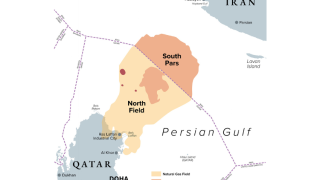
Barzan plant explosion that killed 13 and injured 66 occurred 2 days after production was restarted following a scheduled shutdown in December for routine maintenance.
-
 Texas LNG’s CEO Vivek Chandra and ALNGE Principal Luc Speeleveld outlined key issues and concerns facing the US LNG industry now and in the future as market dynamics remain affected by COVID-19.
 -
Goal is to reduce plant emissions profile and boost sustainability in production.
-
The meeting with project partners comes less than a month after Mammoet was awarded an unloading, transportation, and installation contract.
-
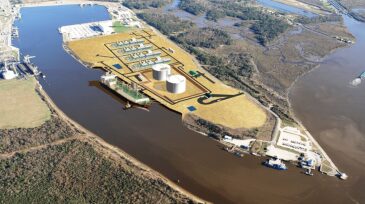
With the acquisition of Magnolia LNG, along with its Texas LNG Brownsville project, Glenfarne Group expands its export capacity to 12 mpta.
-
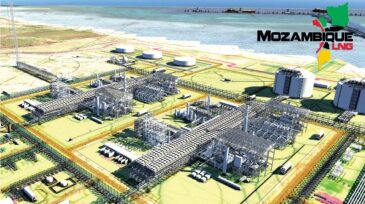
Construction on Mozambique LNG stopped in April due to COVID-19, but Total continues work on the project even amid a $12 Billion shortfall. Financing for the Mozambique LNG project follows engineering contracts awarded by Total in the past few months.
-
The contract is Mammoet’s biggest in terms of aggregate tonnage. The Arctic LNG 2 project reached FID in September 2019.
-
Production from Train 3 comes almost a month after reaching its final commissioning stage. Commercial operations will follow testing and authorization from FERC.
-
FID on RGLNG was originally expected in 2019, before it was pushed to Q1 2020. NextDecade will continue to develop and de-risk the project.
-
The race is on to fill NWS gas export plant.
-
Train 7 is scheduled for commissioning by 2024 and would bring total capacity of Nigeria LNG’s complex to 30 mtpa.